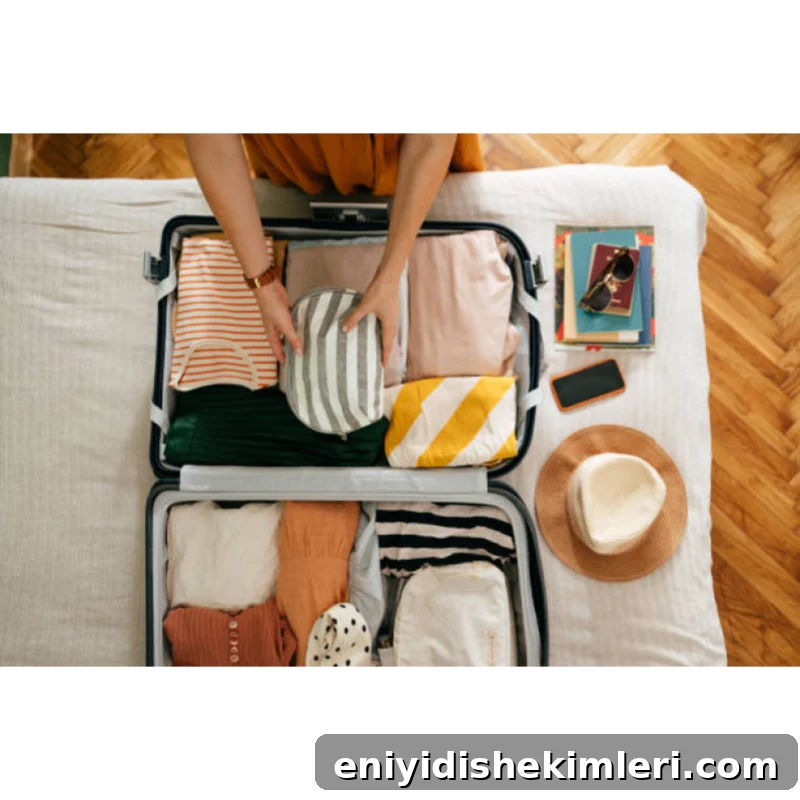
Being on the road this week in Los Angeles visiting my two nephews and recording a podcast reminded me how important it is to stick to the basics—especially when you’re away from your usual routine. For this edition of Mark’s Must-Haves, I’m sharing the travel essentials I never leave home without to support both oral and systemic health while traveling.
1) Magnesium
Magnesium is my MVP. Travel often disrupts sleep, digestion, and even tooth sensitivity. I tend to have sensitive teeth, so I don’t skip magnesium when I’m traveling.
Magnesium supports remineralization and can reduce sensitivity. I also notice my sleep declines if I miss a dose, particularly when I’m in a different time zone or a new environment.
2) Air Quality Monitor
I always pack a portable air quality monitor. Hotel air is often dry and stagnant; poor ventilation or mold affects me quickly. Low air quality increases systemic inflammation, disrupts sleep, and dries the mouth—which harms the oral microbiome. If the air seems stuffy or polluted, I open a window when possible and increase hydration.
3) Electrolytes
Electrolytes aren’t just for athletes—they’re important for oral hydration. Minerals like magnesium, potassium, and sodium help the body retain water and support saliva production, which is your mouth’s natural defense.
Dry mouth leads to more cavities, plaque buildup, and bad breath. I carry a travel-friendly electrolyte mix that’s clean and free from odd additives.
4) Water Bottle That Filters Fluoride
I avoid drinking hotel or airport tap water. My travel water bottle filters fluoride, chlorine, heavy metals, and PFAS.
To be clear about fluoride: topical fluoride in toothpaste can help strengthen enamel, but drinking fluoride systemically from tap water is unnecessary for dental benefits and raises broader health concerns. Systemic fluoride exposure affects the whole body, not just teeth, and has been associated with issues such as thyroid dysfunction, bone changes, and dental fluorosis, a visible marker of overexposure.
Because of concerns about systemic exposure, I co-founded a company offering a fluoride-free alternative for remineralizing teeth using nano-hydroxyapatite, a biomimetic mineral that helps support enamel without systemic fluoride.
5) EMF Detector
Hotels are full of Wi‑Fi routers, smart TVs, keyless locks, and Bluetooth devices that emit electromagnetic fields (EMFs). I bring a compact EMF detector to check for high-EMF zones in the room.
Emerging research suggests EMF exposure can affect sleep quality, melatonin production, and possibly the blood-brain barrier. While the science continues to develop, I prefer caution—especially when optimizing recovery while traveling. If levels are high, I unplug unnecessary devices or reposition the bed away from hotspots.
6) Travel Toothbrush
This folding travel toothbrush is excellent: it protects the brush head, saves space, and has a large surface area for effective plaque removal. It’s plant-based and tends to last longer than typical disposable brushes.
7) Flossing Stick
I avoid sticking my fingers in my mouth while traveling, so a flossing stick is essential. It’s quick, hygienic, and convenient for maintaining interdental cleaning on the go.
8) Mandibular Advancement Device (MAD)
I use a custom MAD made by an airway-trained dentist. It keeps my airway open and prevents sleep-disordered breathing, which can affect brain function, blood sugar, and overall health. If you’re considering one, seek an airway-trained functional dentist or consult directories for qualified practitioners.
9) Oura Ring
I wear an Oura ring to track sleep, heart rate variability, and recovery—especially helpful when dealing with jet lag or changes in schedule. It lets me monitor how factors like air quality or magnesium affect my sleep in real time.
10) Mouth Tape and Eye Mask
Sleep quality is central to recovery. I use mouth tape to encourage nasal breathing at night and a light-blocking eye mask to protect melatonin production. Hotel lighting and ambient light can disrupt sleep, so these simple tools make a big difference.
Travel doesn’t have to derail your health. With a bit of planning you can protect your oral microbiome, sleep, and long-term wellness even while staying in a hotel.
I’m grateful to land in your inbox each week and want this newsletter to be useful to you. Tell me what topics you’d like me to cover—while I can’t respond to every message individually, I read them all and reply to many.
See you next week.
–Dr. B
Know someone who would appreciate this information?
Forward it to them and tell them to sign up for future emails here.

P.S. Many of you have been asking about wisdom teeth—I’m preparing a deep dive on that topic for an upcoming newsletter. Send your questions about wisdom teeth or any other topics you want explained in detail.