It’s December 22nd and holiday treats are everywhere. With constant exposure to sugar from candy, cookies, and grazing, the balance of your oral microbiome shifts toward acid-producing bacteria.
When those bacteria make acid, your oral pH falls below the threshold where enamel begins to demineralize. Add travel-related dehydration, alcohol at parties, and disrupted routines, and your mouth becomes much more vulnerable to cavities and gum inflammation.
You don’t have to endure the season defenseless. Below are nine practical, science-backed strategies to protect your teeth and support your oral microbiome through the holidays.
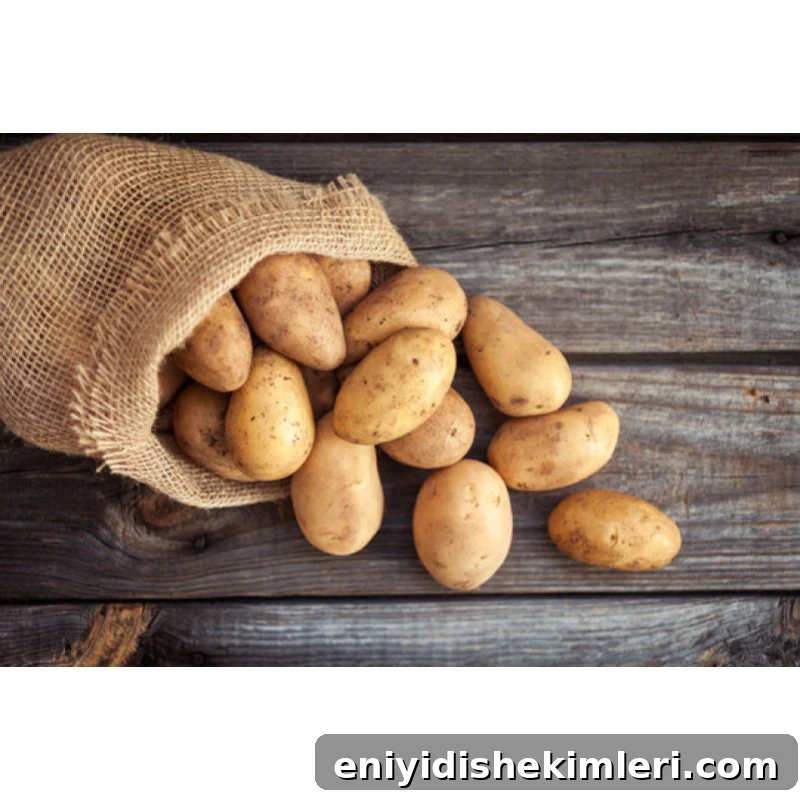
1. Turn Potatoes Into Prebiotic Powerhouses
Cooked potatoes that are chilled develop resistant starch. This starch is fermented by gut bacteria into butyrate, a short-chain fatty acid that reduces systemic inflammation, strengthens the gut barrier, and supports beneficial microbes in both the gut and mouth. It’s an easy way to give your oral-systemic health a boost during an otherwise inflammatory season.
What to do:
- Boil, roast, or microwave baby potatoes.
- Cool completely in the refrigerator for 12–24 hours to form resistant starch.
- Eat them cold or gently reheat with olive oil, salt, and rosemary.
Supporting your gut helps your oral microbiome, because the two systems communicate continuously.
2. Understand Exposure vs. Quantity
It’s not just how much sugar you consume but how long your teeth are exposed to it. Sucking on a candy cane for 30 minutes bathes your teeth in acid the entire time, preventing saliva from buffering and remineralizing enamel. Eating a piece of chocolate in two minutes creates a short acid spike that saliva can neutralize within 20–30 minutes, giving your teeth time to recover.
High exposure (greater risk):
- Candy canes and hard candies that dissolve slowly.
- Sipping sugary drinks throughout the day.
- Grazing on snacks for extended periods.
Low exposure (lower risk):
- Eating dessert in one sitting rather than constantly snacking.
- Having sweets with meals when saliva flow is higher.
- Finishing drinks promptly so pH recovers faster.
Every eating event triggers a cycle of demineralization followed by remineralization; the goal is to give saliva time to complete the recovery phase.
3. Eat Treats With Meals (When Saliva Flow Is Highest)
Saliva is your mouth’s primary defense: it neutralizes acids, clears food debris, and supplies calcium and phosphate for enamel repair. During meals, salivary flow increases dramatically—often up to tenfold—and remains elevated for 20–30 minutes after eating. That makes desserts eaten with meals far less damaging than the same treats eaten between meals.
Choose to enjoy sweets with your main meals whenever possible so your mouth can benefit from active salivary buffering and remineralization.
4. Choose Dark Chocolate Over Other Sweets
Dark chocolate (85% cacao or higher) contains polyphenols such as epicatechin and catechin, which inhibit Streptococcus mutans—the primary bacteria implicated in cavities. Theobromine in cocoa has also been shown in some studies to aid enamel hardening.
Prefer high-quality dark chocolate, let it melt in your mouth, and rinse with water afterward to enjoy a treat that’s relatively supportive of oral health.
5. Travel With Green Tea Packets
Green tea is rich in catechins like EGCG, antioxidants that reduce gum inflammation and inhibit bacteria associated with periodontal disease. When you’re traveling or at events, carrying instant green tea packets allows you to prepare a warm, protective drink wherever hot water is available.
A cup of green tea can be a calming, tooth-friendly alternative to sugary or alcoholic beverages while on the go.
6. Hydrate Strategically (Before and During Events)
Dehydration—common during travel or nights out—reduces saliva production. Saliva contains calcium, phosphate, bicarbonate, and antimicrobial proteins, and it relies on electrolytes like magnesium, potassium, and sodium to maintain function. When you’re dehydrated, saliva becomes sticky and less effective at buffering acid and remineralizing enamel.
What to do:
- Begin gatherings well-hydrated.
- Carry a clean electrolyte powder for travel rather than sugary sports drinks.
- Drink mineral-rich water throughout the day.
7. If You Drink Alcohol, Follow a Recovery Protocol
Alcohol has broad antibacterial effects that can disrupt both harmful and beneficial oral bacteria. Repeated drinking without recovery can impair pathways—such as the oral conversion of dietary nitrates to nitrites and ultimately nitric oxide—that protect cardiovascular and oral health.
Basics to reduce harm:
- Drink water between alcoholic beverages.
- Scrape your tongue thoroughly the morning after to remove biofilm.
- Use oral probiotics to help repopulate beneficial bacteria.
- Avoid antibacterial mouthwashes, which can worsen microbial imbalance.
- Don’t brush immediately after drinking, as alcohol can temporarily soften enamel.
Give your oral ecosystem time to recover between nights out.
8. Chew Xylitol Gum After Treats
Xylitol is a sugar alcohol that cavity-causing bacteria cannot metabolize. When bacteria attempt to process xylitol, they expend energy and fail to grow, which reduces their numbers over time. Xylitol also stimulates saliva flow, raising pH and promoting remineralization.
Keep xylitol gum handy as an emergency defense: after dessert, when you can’t rinse with water, or when healthy options aren’t available while traveling.
9. Use a Dietary Nitrate Mint to Support Nitric Oxide Production
After age 40, endogenous nitric oxide production declines, but nitrate-reducing bacteria on the tongue can help maintain nitric oxide levels if given appropriate substrates. Small, nitrate-containing mints or nitrate-rich foods provide nitrite precursors that oral bacteria convert into nitric oxide, supporting vascular health and a balanced oral microbiome.
A compact nitrate source can be useful before flights, after snacks, or whenever you want to support oral nitrate conversion on the go.
A Quote to Remember
“You cannot out-brush or out-floss a bad diet.”
Feed your microbiome wisely, limit the time your teeth are exposed to sugar, stay hydrated, and prioritize saliva-friendly habits. Do that and you’ll likely make it through the holidays with your teeth and gums in much better shape.
– Mark