
Q
What’s the best manual toothbrush?
A
I get asked this a lot. Brushing twice a day is simple in concept, but choosing the right manual toothbrush can feel complicated. Below I’ll explain what truly matters when selecting a brush and share three manual toothbrushes I recommend most often.
In this article:
1. What matters when choosing a brush
2. The three brushes I most commonly recommend
What matters when choosing a brush
When evaluating a toothbrush I prioritize the following, in order:
- Soft or extra-soft bristles: This is the most important factor. Medium and hard bristles can cause gum abrasion and create tiny scratches in enamel, increasing risk for cavities, gum recession, and tooth sensitivity.
- High-quality bristles: Poorly finished bristles with jagged edges can damage teeth and gums. Quality control matters—well-made bristles have smooth, rounded tips that clean effectively without harming tissue or enamel.
How important is the ADA Seal?
The ADA Seal of Acceptance is a useful shortcut for judging bristle safety. Earning the seal requires manufacturers to show their bristles are free of sharp or jagged edges and meet other criteria, and it requires paying a fee to use the seal in marketing. Because of that, some excellent small brands choose not to pursue the seal even though their products meet the same standards.
If you want a quick rule of thumb, the ADA Seal is a reliable sign of safety. If a brush lacks the seal, ask your dentist or check the brand’s materials for evidence of bristle quality rather than assuming the product is inferior.
Which manual brushes I recommend
Best manual toothbrush for people who brush too hard
Radius Source
- Wide, massaging head: spreads force across a larger surface to reduce the chance of enamel or gum damage for people who tend to scrub aggressively.
- Replaceable heads: reduces waste by keeping the same handle and swapping heads, which is more sustainable than discarding the whole brush.
- Super-soft vegetable nylon bristles: gentle on bleeding, receding, or sensitive gums.
- Comfortable grip: easy to hold and use. Many people find this model comfortable for daily use and travel because of the consistent head design across models.
Best budget-friendly manual toothbrush
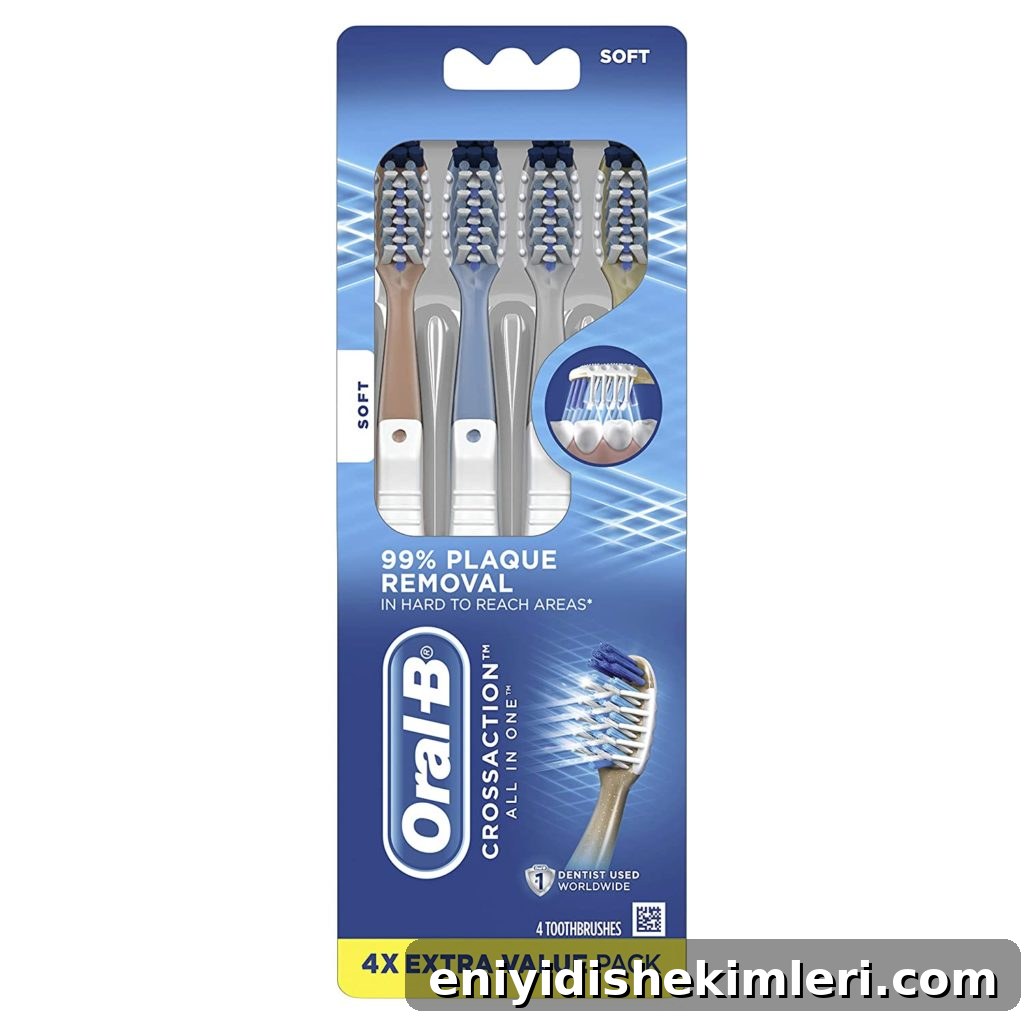
Oral-B CrossAction Manual Toothbrush
- Trusted long-term performer: frequently recommended by dental professionals and used widely in practice settings, which provides a solid track record for effectiveness and durability.
- Low cost per brush: an affordable option that makes frequent replacement practical.
- Value packs encourage regular replacement every 4–6 weeks, which helps prevent bristles from wearing down and becoming abrasive.
- Good spare option: keep a few on hand for guests or travel.
Best manual toothbrush for bleeding or receding gums
Nimbus Extra Soft Toothbrushes
- Small brand, high quality: Nimbus may not carry the ADA Seal because smaller companies sometimes forgo the certification process, but their bristles meet the quality standards required for safe use.
- Periodontist-designed: the brush is engineered to reach between spaces and clean gently, which is helpful for people with gingivitis or gum recession.
- Gentle cleaning feels different at first: on initial use teeth may not feel like they have been scrubbed, but they are being cleaned without harsh abrasion.
- Feedback for problem areas: the soft bristles are sensitive to inflammation—you may notice tenderness where gums are inflamed, which can help you target and improve those areas over time.
Those are my go-to recommendations for manual toothbrushes. They aren’t the only good options, but they represent reliable choices for different needs: protecting enamel and gums, staying on a budget, or caring for sensitive or receding gums.
Quick recap — bristles should be:
- Soft (or extra-soft)
- High quality (look for smooth, rounded bristle tips; ADA Seal is a helpful indicator but not the only measure)
- Replaced often (every 4–6 weeks, because even the best bristles wear down and can become abrasive)
Choosing the right toothbrush is one part of effective oral care. The toothpaste you use and your brushing technique also matter. A gentle brush paired with a toothpaste formulated to support enamel and the oral microbiome will produce the best results when combined with good technique and regular dental checkups.
I hope this simplifies the decision for you. If you want to improve your brushing routine further, ask your dentist for technique tips tailored to your mouth and gum health.
References
- American Dental Association: resources on toothbrushes and ADA Seal criteria.
- ANSI/ADA Standard No. 119: Manual Toothbrushes (2015).