Maintaining healthy, cavity-free teeth involves more than brushing and flossing. Diet plays a crucial role in supporting tooth remineralization and balancing the oral microbiome, and vitamin K2-rich foods are central to that approach.
In 1939, dentist Weston A. Price published research showing that many traditional cultures experienced long lifespans, low rates of chronic disease, and far fewer cavities or gum disease than populations exposed to modern Western diets. He attributed these benefits to traditional eating patterns that included a nutrient he called “Activator X,” which modern researchers now believe was most likely vitamin K2.
Understanding vitamin K2’s role in oral and dental health—especially its synergy with vitamins A and D3—makes it clear that maintaining adequate daily intake is important.
Although some vitamin K2 is produced by healthy gut bacteria, the conversion of K1 to K2 in humans is inefficient and depends on an exceptionally healthy microbiome. Animals such as cows and chickens have enzymes that convert K1 from grass and leafy greens into K2 more effectively. For this reason, consuming vitamin K2 foods—especially from pastured, grass-fed animals—is a reliable way to maintain healthy K2 levels.
This article highlights the benefits of vitamin K2 for dental health and lists top food sources so you can add them to your diet. First, here’s a closer look at what vitamin K2 does in the body.
What is Vitamin K2?
Vitamin K2 is a fat-soluble vitamin that is produced in small amounts by healthy intestinal bacteria but must be obtained primarily from the diet.
In the 1970s researchers discovered that vitamin K2 is not simply a duplicate of K1. They identified osteocalcin, a protein that depends on K2 to help move calcium from the bloodstream into bones and teeth. Without K2, osteocalcin cannot function properly.
As Kate Rheaume-Bleue summarizes in her book Vitamin K2 and the Calcium Paradox: “Vitamin K2 funnels calcium into bones to strengthen mineral density and fight fractures while it prevents and even removes dangerous arterial calcification. Along the way it has beneficial effects for almost every major health concern of our time, including diabetes, cancer, Alzheimer’s disease, infertility, tooth decay and growing healthy children.”
Vitamin D helps absorb calcium, but it does not direct where calcium is deposited. That targeting is performed by K2-dependent proteins such as matrix Gla protein (MGP) and osteocalcin, which guide calcium away from soft tissues and into bones and teeth.
Despite its importance, many people in modern societies have inadequate vitamin K2 intake because K2-rich foods are less common in typical Western diets. Synthetic forms of K2 exist—MK4 and MK7 are the most studied. MK4 has a short half-life and requires multiple daily doses, while MK7 remains in the body longer and is more convenient for supplementation. MK4 is also readily available in pastured poultry and eggs, so some choose MK7 supplements for daily use.
Vitamin K2 Foods for Dental Health
Increasing vitamin K2 intake supports oral health in several important ways:
1. Builds New Dentin
K2 activates osteocalcin, stimulating the formation of dentin, the calcified tissue beneath tooth enamel. Working with vitamins A and D, this process helps reduce the risk of cavities.
2. Slows Tooth Degradation
By directing calcium into teeth and bones rather than soft tissues, vitamin K2 can slow age-related loss of tooth and bone mass and may even increase bone density.
3. Supports Normal Facial Development
Price’s observations suggest that diets lacking K2 can contribute to changes in facial and jaw development. Ensuring adequate K2 intake—especially in expectant and nursing mothers—may reduce the need for orthodontic interventions later in life.
4. Helps Control Cavity-Causing Bacteria
Salivary glands store significant amounts of vitamin K2. Historical observations noted dramatic reductions in oral bacteria after consumption of K2-rich foods such as traditional butter oil. Keeping harmful bacteria in check through adequate K2 intake may be one reason traditional populations experienced far fewer cavities, even with minimal mechanical dental hygiene.
5. Supports Whole-Body Health
Vitamin K2 benefits are not limited to the mouth. Research links K2 to reduced risk or improved outcomes for conditions such as heart disease, osteoporosis, Alzheimer’s, diabetes, varicose veins and thrombosis, rheumatoid arthritis, certain cancers, kidney disease, and infertility. K2 works best alongside vitamin D3, which aids calcium absorption, while K2-dependent proteins determine calcium’s proper destination.
K2 Deficiency Signs and Symptoms
There are not yet routine clinical blood tests for vitamin K2 in most practices, but some signs may suggest low K2 status. These include consistent plaque buildup in arteries, frequent cavities, repeated bone fractures, insulin resistance, varicose veins, kidney stones, a history of orthodontic issues, or strict vegan diets that exclude natto and other K2 sources. While testing is limited, safely increasing dietary K2 or using an MK7 supplement is reasonable for many people.
Top Vitamin K2 Foods
The highest food sources of vitamin K2 per 3.5-ounce (100 g) portions include:
- Natto — 1103.4 micrograms
- Goose liver pâté — 369 micrograms
- Hard cheeses — 76.3 micrograms
- Soft cheeses — 56.5 micrograms
- Goose leg — 31 micrograms
- Egg yolk — 15.5 micrograms
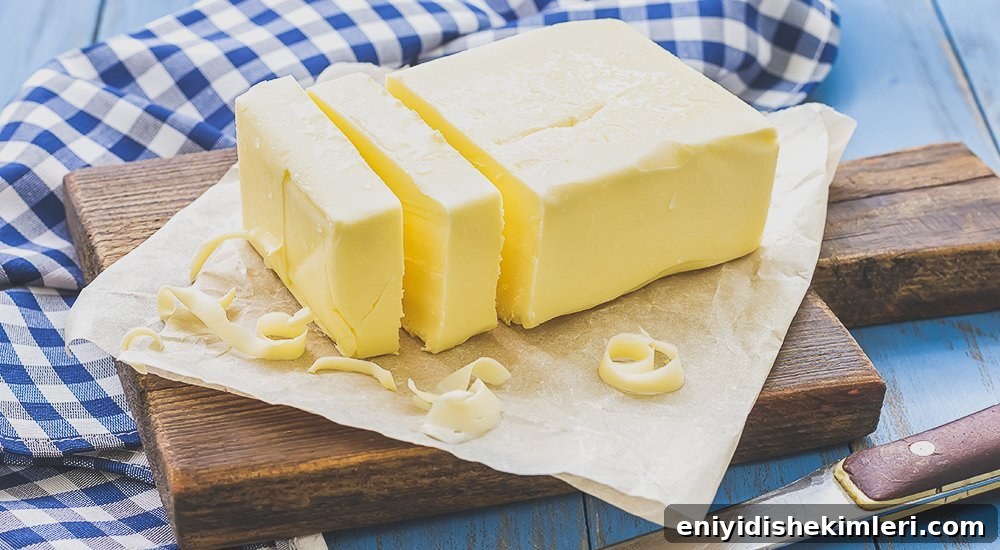
- Butter — 15 micrograms
- Chicken liver (raw) — 14.1 micrograms
- Chicken liver (pan-fried) — 12.6 micrograms
- Cheddar cheese — 10.2 micrograms
Meat and dairy from pasture-raised animals contain significantly more K2 than products from factory-farmed sources because pasture feeding provides more K1 for conversion. Although pasture-raised products can be more expensive, they are a reliable dietary source of K2 without needing supplementation.
For vegans, natto is the best and most concentrated source of K2, though its texture and flavor can be challenging for some people. For many, a daily MK7 supplement (typically 90–120 micrograms) offers a convenient way to maintain K2 levels.
People taking anticoagulant medications such as warfarin should consult their clinician about vitamin K intake. Some research suggests that low-dose MK7 can be used without negating medication effects, but medical guidance is essential.
Recipes to Increase K2 Intake
Here are three simple recipes that incorporate K2-rich ingredients and are family-friendly.
Warm Smoked Gouda and Spinach Dip

Gouda and other aged cheeses are good sources of K2 thanks to the bacteria used in their fermentation. This warm dip pairs well with vegetables or apple slices and is a kid-friendly way to add K2 to snacks.
- Prep Time: 7 minutes
- Cook Time: 8 minutes
- Total Time: 15 minutes
- Yield: 1 small bowl
Ingredients
- 2 tbsp Butter (grass-fed, divided)
- 1/4 cup Onion (chopped)
- 1 dash Black Pepper
- 1/2 cup Spinach (finely chopped)
- 1/2 cup Milk (grass-fed, whole)
- 1 tbsp Arrowroot Powder
- 1 tbsp Water
- 1/4 lb Smoked Gouda (shredded)
- 2 tsp Salsa Verde (optional)
Instructions
- Melt 1 teaspoon butter over medium-low heat, add onions and a pinch of salt, cook until soft (about 5 minutes).
- Add remaining butter and stir in spinach, cooking until wilted (about 1 minute).
- Stir in milk and heat 2 minutes more.
- Whisk arrowroot into water, then stir into the milk mixture and add the gouda.
- Add salsa verde if desired and heat until cheese is melted and sauce thickened, stirring frequently.
Poached Eggs

Pasture-raised egg yolks are a convenient and tasty source of K2. Poaching keeps nutrients intact while producing a soft, flavorful yolk that can be mixed into many dishes for children and adults alike.
- Prep Time: 5 minutes
- Cook Time: 7 minutes
- Total Time: 12 minutes
- Yield: 1 egg
Ingredients
- 1 whole Egg (pasture-raised)
- 1 dash Vinegar
Instructions
- Bring a saucepan to a gentle simmer and add a splash of vinegar.
- Create a gentle whirlpool with a spoon and slip the cracked egg into the center.
- Cook about 3 minutes for a runny yolk, then remove with a slotted spoon and serve immediately.
Spiced Cinnamon Buttered Popcorn

This popcorn uses grass-fed butter to add K2 while introducing mild spices like turmeric and cinnamon to broaden a child’s palate and support microbiome diversity. Make it on the stovetop or in a popcorn maker.
- Prep Time: 5 minutes
- Cook Time: 8 minutes
- Total Time: 13 minutes
- Yield: 4–6 servings
Ingredients
- 3 tbsp Grass-fed butter
- 1/4 tsp Turmeric
- 1/4 tsp Nutmeg
- 1/2 tsp Cinnamon
- 3 tbsp Coconut oil
- 1/2 cup Organic popcorn kernels
- Sea salt to taste
Instructions
- Melt butter on low and stir in spices; set aside.
- Heat coconut oil in a covered 3-quart saucepan over medium-high heat and test with a few kernels.
- When they pop, add remaining kernels, cover, and cook, occasionally moving the pan to prevent burning.
- When popping slows, remove from heat, transfer to a bowl, and toss with spiced butter and salt.
Final Thoughts
Prioritizing dental health through nutrition can have long-term benefits. Research dating back to Weston A. Price, along with modern studies, highlights vitamin K2 as an important nutrient for supporting dentin formation, slowing tooth and bone loss, encouraging proper facial and jaw development, and helping control cavity-causing bacteria. K2 also supports overall health, including cardiovascular and bone health.
Dietary vitamin K2 from foods such as natto (the primary vegan source), goose liver pâté, aged cheeses, goose leg, egg yolks, butter, and chicken liver is an effective way to raise levels. For those who choose supplements, MK7 provides a convenient once-daily option. Typical supplemental doses are in the 90–120 microgram range, but individual needs vary.
Incorporating K2-rich foods or a suitable supplement—along with vitamins A and D3 and a nutrient-dense diet—can help support healthy teeth, bones, and overall wellness.