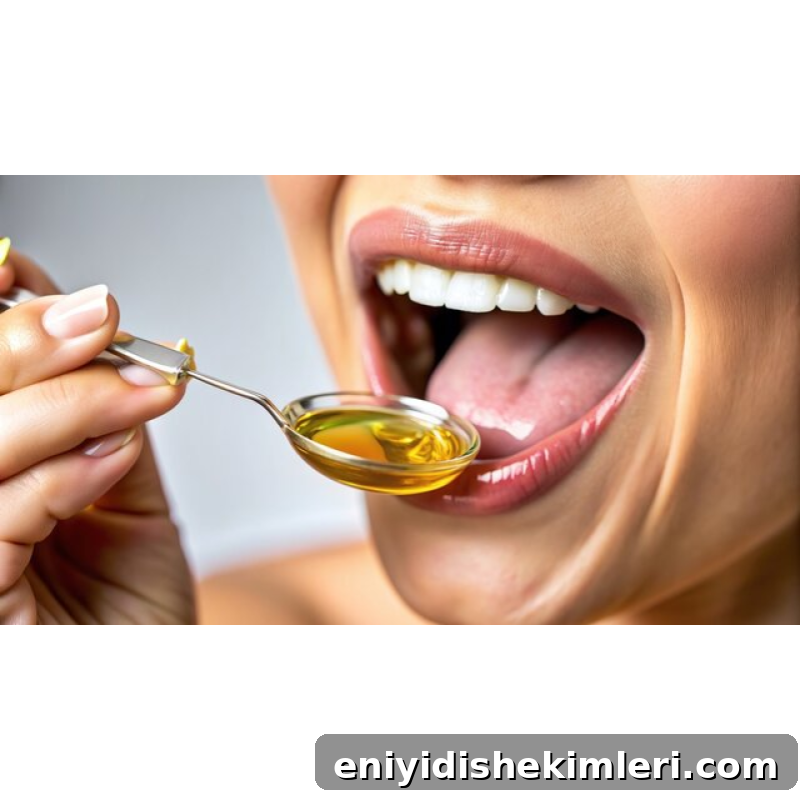
I’ve recommended oil pulling for years. I wrote about it back in January and many of you tried it for the first time. I enjoyed reading your replies and success stories. Lately I’ve been rethinking some details, and I want to share what I’ve learned.
Historically I recommended coconut oil, the traditional Ayurvedic choice. It’s still preferable to many commercial mouthwashes. But as I’ve studied biofilm science more closely, I’ve come to prefer a different approach. Coconut oil is rich in lauric acid, which is a broad-spectrum antimicrobial that disrupts bacterial cell membranes indiscriminately. That means it can destabilize helpful microbes along with harmful ones.
“Broad spectrum” is a phrase I use cautiously. The scorched-earth logic of killing everything—like with many mouthwashes—ignores the role of biofilm. Oral biofilm is not the enemy; it’s the foundation of a balanced oral ecosystem. Beneficial microbes depend on that living surface to attach and function. The goal should be gentle, intelligent modulation of the biofilm, not wholesale eradication.
The oil pulling blend I now prefer uses MCT oil, a refined form of coconut oil composed mainly of caprylic (C8) and capric (C10) acids and containing very little lauric acid. That lower lauric acid content matters. Rather than aggressively disrupting cell membranes, MCT oil—because of its shorter chains—penetrates biofilm, reduces cohesion, and loosens the extracellular matrix without obliterating microbial architecture.
Think of it as controlled thinning and restructuring rather than removal. This process disorganizes the biofilm just enough to allow it to rebuild in a healthier pattern, especially if you support it with a proper diet and good daily habits. Functionally, a thinner, more dynamic biofilm improves oxygen diffusion, reduces stagnation zones where acid accumulates, enhances interaction with saliva’s buffering system, and preserves beneficial commensal bacteria that help maintain oral health.
There are also practical benefits. MCT oil remains liquid at room temperature, so there’s no need to warm a jar or deal with a waxy texture. It pours easily, feels lighter in the mouth, and integrates well with supportive ingredients like CoQ10. People with periodontal disease often show depleted CoQ10 in their gum tissue, and some clinical trials suggest CoQ10 supplementation can reduce periodontal inflammation. Whether meaningful absorption of CoQ10 occurs during oil pulling is still uncertain, but if it does, that’s an added benefit. Some blends also include enzymes like bromelain, which can loosen plaque adhesion before brushing.
A large review (Jong et al., 2024; 25 trials, 1,184 participants) found that chlorhexidine outperforms oil pulling at removing plaque. That’s expected: strong antimicrobials are designed to strip biofilm efficiently. Chlorhexidine has a clear role after oral surgery or when brushing isn’t possible. But using chlorhexidine daily is analogous to taking antibiotics every morning as a preventive measure—you wouldn’t do that for your gut microbiome, and you shouldn’t assume it’s benign for your mouth. Chlorhexidine also commonly causes significant tooth staining, even when used as prescribed, which often requires extra professional cleaning to remove.
Both oil pulling and chlorhexidine can support gum health, but only one of them preserves the oral microbiome and avoids staining. The review’s overall evidence was rated “very low,” which requires context. “Very low” doesn’t equate to “ineffective.” It means there haven’t been large, well-funded randomized controlled trials—studies that are expensive and unlikely to be sponsored because there’s no proprietary product to protect. Still, the biochemical rationale for a gentler, targeted approach makes sense.
Importantly, the trials included in that review used traditional coconut oil, which has higher lauric acid and tends to saponify more. No published trials have yet tested MCT oil blends that modulate biofilm rather than strip it—so the practice and its effects deserve separate consideration.
Another practical observation: a thicker, more viscous biofilm traps pigments like coffee tannins and berry anthocyanins, increasing staining. A thinner, healthier biofilm retains pigments less, so staining is reduced. I’ve started oil pulling before my morning coffee and noticed less staining and even a cleaner taste, likely because the biofilm on the tongue is thinned as well.
The sensory experience also differs from mouthwash. Instead of a burn or sting followed by dryness, oil pulling can feel hydrating. The mouth feels smoother and nourished rather than stripped and dry, because a gentle oil doesn’t wipe out the bacteria that contribute to healthy saliva production.
If you want to try oil pulling, here’s a practical routine: floss first to break up plaque bridges so the oil can reach interdental areas. Swish for 2–5 minutes. You can spit into the sink when using an MCT oil blend; MCT stays liquid at room temperature and won’t solidify in plumbing the way coconut oil can. After spitting, brush with a nano-hydroxyapatite toothpaste and avoid rinsing so the nano-HAP can remain on your teeth and do its work.
It doesn’t have to be perfect to be beneficial. Try it consistently for a few weeks, notice how your mouth feels, and adjust as needed. Personal observation combined with an understanding of biofilm behavior can guide smarter daily oral care choices.
– Dr. B

Further Reading & Citations
- Littarru, G.P. et al. “Study of CoQ10-enzymes in gingiva from patients with periodontal disease and evidence for a deficiency of coenzyme Q10.” Proceedings of the National Academy of Sciences, 68(10), 2332–2335 (1971). PubMed.
- Manthena, S. et al. “Effectiveness of CoQ10 oral supplements as an adjunct to scaling and root planing in improving periodontal health.” Journal of Clinical and Diagnostic Research, 9(8), ZC26–ZC28 (2015). PubMed.
- Jong, T. et al. “The effect of oil pulling in comparison with chlorhexidine and other mouthwash interventions: A systematic review and meta-analysis.” International Journal of Dental Hygiene (2024).
From the Ask the Dentist Archives
- I was trained to remove it. Now I help patients protect it. — Why I changed my mind about biofilm.
- If your gums bleed, this seal is already failing — What’s really at stake when your gums are inflamed.
- Podcast Episode #48: What are the benefits of Oil Pulling? — A deeper discussion of oil pulling.
- My two secret weapons against coffee stains — More on why staining is a biofilm problem.