
Falling Asleep Question: How bad is falling asleep without brushing your teeth? Answer: Many people are surprised to learn that going to bed without brushing is effectively like sleeping with filth in your mouth.

Here’s why: every time you eat, the bacteria that normally live in your mouth feed on food particles. Like all living organisms, those bacteria produce waste after consuming food. This bacterial byproduct is acidic and attacks tooth enamel, contributing to tooth decay and cavities.
When you go to bed without brushing, plaque begins to form and can start to harden and calcify on your teeth. Once plaque calcifies into tartar, it can’t be removed with regular brushing and flossing and requires a professional cleaning by a dental hygienist.
The situation worsens because your gums treat plaque buildup as an infection. Your immune system responds to that perceived threat, and in the process of fighting the infection it can damage the tissues that support your teeth. This can cause the gums to recede and create pockets where more bacteria collect.
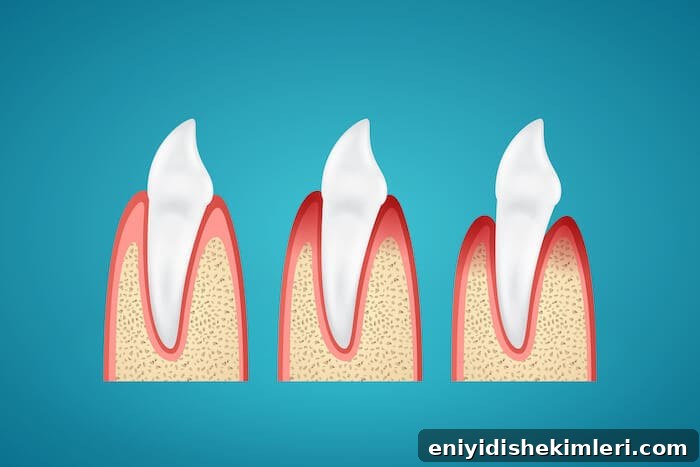
Inflammation is a protective response, but when it becomes chronic it causes harm. Short-term inflammation helps heal infections, but long-term inflammation wears down tissues. Persistent inflammation in the mouth has been associated with broader health issues, including increased risk factors linked to hearing loss, cognitive decline, and cardiovascular disease.
Does all of this happen after a single night of skipping brushing? No. However, if skipping brushing and flossing becomes a habit, these processes—plaque buildup, tartar formation, gum inflammation, and tissue damage—will accumulate over time.
So when choices are limited—washing your face, changing into pajamas, or brushing and flossing—prioritize oral care. Spending two minutes to brush and floss before bed helps prevent decay, gum disease, and the long-term consequences that follow. Good nightly oral hygiene protects your teeth and contributes to overall health and longevity.
What to Do When You’re Too Exhausted to Brush Before Bed
- Keep a toothbrush in your nightstand. If you’re too tired to go to the bathroom, a quick dry brush in bed is better than nothing. You don’t always need toothpaste to remove debris and disrupt bacterial colonies. Consider a small cover or case to keep the brush clean.
- Keep a floss pick by your bed. A floss pick makes it easier to remove trapped food with one hand while lying down. Even a brief flossing session reduces the amount of plaque-forming debris between teeth.
- Run your tongue over your teeth before sleep. That rough feeling is plaque. Getting into the habit of checking and preferring the smooth sensation of clean teeth can motivate you to brush more consistently.
Mark Burhenne DDS
Learn More: Can Rinsing With Mouthwash Replace Brushing?