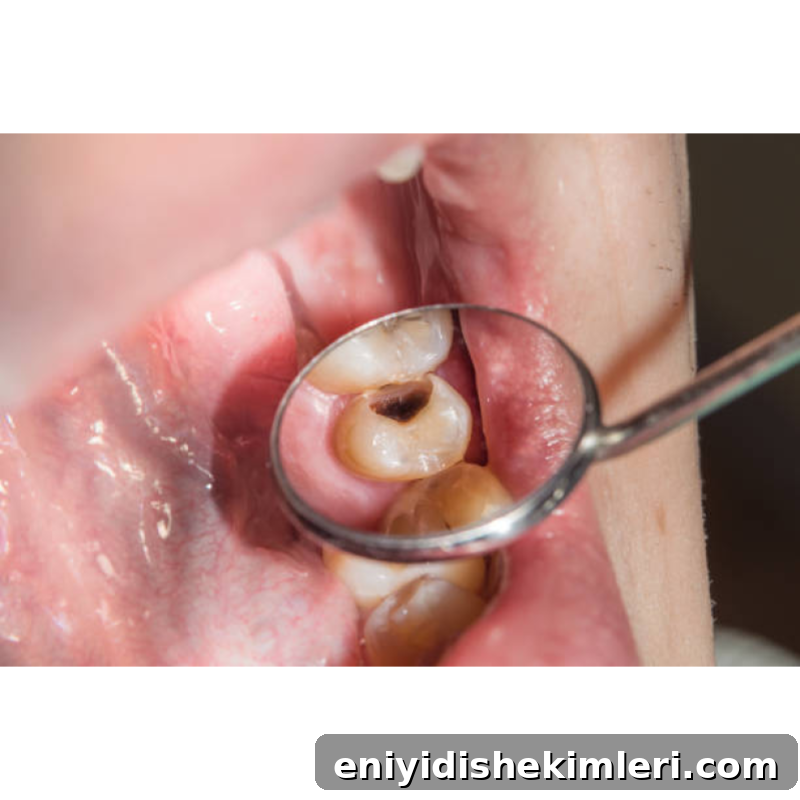
When my three-year-old granddaughter was diagnosed with a cavity, my first thought wasn’t simply, She needs a filling. It was, How did we get here? Fillings happen—even in families who eat well, brush regularly, and avoid soda. But when a cavity forms, it’s rarely just bad luck—it’s a sign something deeper is going on. If we don’t identify the root cause, it’s likely to recur. Here’s what I learned and what I did.
In her case, the cause became clear: she had spent several weeks in the hospital fighting a kidney infection. It was an extremely stressful time for her and her parents. During that period she received IV antibiotics (which disrupt the oral microbiome), ate mostly hospital food, and—because her favorite animal is the panda—was given as many Hello Panda crackers as she wanted to comfort her.
Her parents wanted to soothe her while she was sick, but that combination—microbiome disruption, ultra-processed snacks, and reduced saliva flow—created the perfect environment for a cavity.
You Cannot Out-Brush or Out-Floss a Bad Diet
My daughter was meticulous with brushing and flossing, and yet her child still developed a cavity. Why? Because diet is as important as, and sometimes more important than, oral hygiene. No amount of brushing can fully offset a diet high in fermentable carbohydrates like crackers and processed snacks, especially when those foods are grazed on throughout the day. These foods break down into sugars that feed acid-producing bacteria, increasing cavity risk.
When my daughter called me heartbroken, she said, “I feel so ashamed. I should have known better.” I told her what I’ll tell you now: cavities are not a sign you’ve failed as a parent. They are a sign that something is out of balance—and once you identify why, you can course-correct. Dentists are often taught to view cavities as a hygiene issue, but they’re frequently rooted in nutrition and a disrupted oral microbiome.
Oral health depends on what you eat, how you breathe, and the state of the oral microbiome. I was fortunate to raise three daughters without cavities and without fluoride, but today’s environment poses new challenges: processed foods are ubiquitous, stress levels are higher, and medications such as antibiotics are more commonly used, often with unintended consequences for the microbiome.
If your child has a cavity, don’t get stuck in guilt. Use it as a chance to ask the right questions, make adjustments, and move forward. After her filling, I put my granddaughter on a focused protocol to restore her oral microbiome, remineralize enamel, and reduce the chances of needing more dental work.
1. Checked for Mouth Breathing & Started Xylitol Nasal Spray
Mouth breathing is an often-overlooked cause of cavities because it dries the mouth and reduces saliva flow—the body’s natural defense against tooth decay. If a child snores, wakes with a dry mouth, or is chronically congested, address this first. For mouth-breathing children I recommend:
• Using a xylitol nasal spray to help reduce congestion and encourage nasal breathing.
• Ensuring nasal breathing at night, since mouth breathing during sleep creates an ideal environment for cavities.
2. A Magnesium-Rich Lemonade Every Day
Magnesium is important for strong enamel, and many children and adults are deficient. I had her parents make a simple lemonade with filtered water and a high-quality magnesium supplement. She loved it because it felt like a treat, but it also supported enamel strength from within.
3. Cod Liver Oil for Fat-Soluble Vitamins (A, D, E, and K2)
Fat-soluble vitamins—especially vitamin K2—play a vital role in directing minerals into teeth. I advised a daily teaspoon of high-quality cod liver oil for vitamins A and D, plus an additional K2 supplement because many children don’t get enough from diet alone.
4. Oral Probiotics to Restore Her Microbiome
The balance of bacteria in the mouth determines whether teeth remain healthy or succumb to decay. After IV antibiotics, her oral microbiome needed repopulating. I recommended an oral probiotic containing beneficial strains like Streptococcus salivarius to help restore a healthy microbial balance in the mouth.
Today she is seven years old, thriving, and cavity-free. Her smaller cavities were arrested—much to the surprise of her dentist—by nightly use of a hydroxyapatite varnish that supports remineralization. Her dental team monitors progress with X-rays, using the ALARA principle to keep exposure as low as possible while ensuring nothing is missed. She remains on the protocol: magnesium, cod liver oil, and a xylitol nasal spray at night.
This experience taught my daughter to take control of oral health from the inside out. Instead of shame, she now feels empowered. Cavities develop over time from imbalances—often diet, illness, medications, or mouth breathing and dry mouth. Fillings are sometimes necessary, but they should always come with an explanation of why the problem occurred and how to prevent it in the future.
For my granddaughter we identified the cause and implemented a plan to prevent recurrence. If your child has a cavity or you want to reduce the risk, start a similar protocol. Remember: this is a shame-free zone. Cavities don’t mean you’ve failed as a parent; they mean it’s time to make adjustments.
If there’s one takeaway: You cannot out-brush or out-floss a bad diet.
To your great health,
Mark
Is there a parent who could benefit from this information?
Please forward it to them.

P.S. I recommend using a comprehensive magnesium supplement to support overall health and dental resilience. Many people ask whether magnesium “worked” for them; a common reason for limited results is using supplements that don’t include multiple forms. Choose a well-tested, complete formulation for best results.