
Chances are you’ve heard the advice to aim for eight hours of sleep each night. Questions like “Are you getting enough sleep?” or “Are you getting your eight hours every night?” are common, and much of the scientific literature and public health messaging focuses on sleep duration.
But far too little attention is paid to the quality of that sleep.
Millions of people experience interruptions to their sleep — often from sleep apnea — and many are unaware of it. A Swedish study suggested that as many as half of women aged 20 to 70 may have some degree of sleep apnea. The condition can be especially common in petite women, but it affects people of all shapes and ages.
The Dangers of Sleep Interruptions
Sleep apnea occurs when the airway becomes partially or fully blocked during sleep. As the body moves into deep sleep, muscles relax — including those around the airway. If the tongue and jaw relax enough to narrow the airway, breathing can pause.
The brain senses the drop in oxygen and briefly rouses the body enough to reopen the airway. These repeated interruptions can happen multiple times per hour throughout the night, preventing you from staying in restorative deep sleep.
That eight-hour period of sleep can therefore be full of breathing pauses and micro-awakenings. Even though you may be unconscious for a long stretch, you can miss out on the meaningful health benefits that come from uninterrupted deep sleep.
The Restorative Benefits of Deep Stage Sleep
Deep stage sleep is distinct from other sleep stages and is critical for repair and restoration. It is during deep sleep that the body secretes human growth hormone (HGH). While HGH supports growth in children, in adults it helps maintain muscle, reduce fat, support skin health, and aid the brain’s waste-clearing processes.
Deep sleep is the time when the body repairs damage, consolidates learning and memory, and rejuvenates tissue. Missing out on deep sleep regularly can lead to a wide range of problems.
Missing out on deep stage sleep can contribute to:
- Anxiety and depression
- Weight gain
- Wrinkles and skin aging
- Short-term memory problems
- Increased risk of heart disease
- Higher diabetes risk
- Learning and cognitive difficulties
- Accelerated aging
- Higher risk of Alzheimer’s disease and dementia
Why Sleep Interruptions Often Go Undiagnosed
We focus on quantity, not quality. Clocking eight hours is meaningless if those hours are fragmented by breathing pauses (apneic events) that prevent deep sleep.
We don’t know any different. Sleep problems can develop gradually, so people accept daytime fatigue as normal. Just as someone with slowly declining vision may not realize how poor their eyesight has become until they try corrective lenses, many people don’t know what uninterrupted, restorative sleep feels like.
Doctors don’t always see it. Patients rarely present primarily complaining of sleep apnea. Tiredness is often dismissed as part of aging or a busy life. Diagnosing sleep apnea commonly requires an overnight sleep study in a lab, a process that can be costly and inconvenient. Mild to moderate sleep apnea can fly under the radar because many people overcompensate and maintain apparent function despite ongoing damage that may manifest later in life.
We’re not objective about our own sleep. Because we are unconscious while sleeping, we cannot reliably judge its quality. People with sleep apnea can stop breathing many times an hour and have no memory of these awakenings. Even a sleeping partner may not notice what happens during the night.
Jen’s Story
One patient, Jen, believed her sleep was normal. “I sleep eight hours most nights. If I’m tired, well, I’m 45, I work full-time, and I have two kids!” she said. This is a common mindset: the eight-hour benchmark can lull people into accepting poor sleep as normal.
Jen also ground her teeth at night, which is a common indicator of disrupted sleep and a red flag for sleep apnea. After a sleep study confirmed moderate sleep apnea and she received treatment, the change was dramatic.
She described the improvement like putting on glasses for the first time after years of fuzzy vision. Her energy rose, and she noticed emotional benefits: less stress, reduced anxiety, and a calmer outlook.
Quality matters more than quantity. Rather than simply counting hours, pay attention to signs of disturbed sleep. Ask your dentist whether you grind your teeth, notice whether you snore, and consider using simple tools or apps that can help detect poor sleep patterns.
Whether young or old, lean or heavy, snorer or not, discovering whether you are getting sustained deep sleep each night can help you live healthier and longer.
Mark Burhenne DDS
Want to learn more? Check out my #1 Amazon bestselling book, The 8-Hour Sleep Paradox.
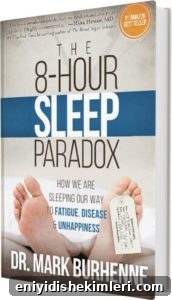 This book outlines a clear, practical program to improve sleep quality so you can be your best, most capable self.
The three-step approach teaches how to achieve the kind of restorative sleep that helps you:
- Control appetite and support healthy weight
- Slow aspects of the aging process
- Wake up refreshed and happy each morning
- Boost energy, concentration, and mental focus
- Reduce daytime sleepiness and brain fog
Get your copy now!