Obstructive sleep apnea (OSA) is often mistakenly pictured as a problem limited to snoring, overweight, middle-aged men. That misconception — combined with the fact that the harmful effects of OSA often appear years or decades later — means millions remain undiagnosed. Studies suggest a large portion of the population may have some form of undiagnosed obstructive sleep apnea.
Grinding your teeth, snoring, or being a petite woman are all potential risk indicators. Recent research has improved our understanding of what happens during sleep and has revealed that OSA affects a far broader group than commonly assumed.
Below I explain what obstructive sleep apnea is, why the airway collapses during sleep, and how dental care and medical devices can help restore healthy sleep.
What Happens at Night That You Don’t Notice
When you are awake and sitting upright, normal inhalation creates slight negative pressure inside the chest, pulling air through the upper airway into the lungs. If you try to breathe with your mouth and nose firmly closed, you’ll immediately feel the struggle and the brain’s urgent drive to resume normal breathing.
In obstructive sleep apnea, a similar effect occurs repeatedly during sleep: the airway collapses from the inside, not because you’ve intentionally blocked it. The body still attempts to inhale against the obstruction, causing oxygen drops and brief awakenings that interrupt restorative sleep.
Why Breathing Is More Vulnerable During Sleep
The human upper airway is a complex, flexible structure made of bone, cartilage, and muscle. During sleep it becomes more susceptible to collapse for several reasons:
- The airway tissues are soft and pliable, easily narrowed or folded.
- The back of the throat is a tight space where the tongue, soft palate, and throat tissues compete for room.
- The airway relies on surrounding muscles to stay open; when those muscles relax in sleep, the airway can lose its structural support.
How Oral Appliance Therapy Keeps the Airway Open
Oral appliance therapy (OAT) uses a custom dental device, worn like a retainer or mouthguard, to position the jaw and tongue forward during sleep. This forward posture increases space in the upper airway and reduces collapses.
By preventing airway obstruction, an oral appliance allows the body to enter deeper sleep stages without repeated arousals. Many people with untreated OSA have never experienced sustained deep sleep for decades because their muscles repeatedly tense to restart breathing.
How Breathing Machines Work
Positive airway pressure devices such as CPAP (continuous positive airway pressure) and APAP (auto-adjusting positive airway pressure) blow air into the airway to keep it open. CPAP provides a steady set pressure, while APAP adjusts pressure automatically to match the user’s needs, which some patients find more tolerable.
Some patients cannot tolerate CPAP alone because of mask discomfort or constant pressure. In those cases, clinicians may combine CPAP or APAP with an oral appliance to improve comfort and effectiveness. Oral appliances can also be an alternative primary treatment for mild-to-moderate OSA or for patients who cannot adapt to positive pressure therapy.
What Deep Stage Sleep Feels Like and Why It Matters
Restoring deep stage sleep transforms many areas of life. Patients who regain restorative sleep commonly report clearer thinking, better mood, more energy, and improved resilience. One patient described the change as a fog lifting: after starting oral appliance therapy for moderate sleep apnea, she felt mentally and emotionally renewed.
Deep sleep is critical because it is when the body releases hormones and undertakes important repair processes. Human growth hormone (HGH), released during deep sleep, supports tissue repair, metabolic balance, and brain health. Chronic loss of deep sleep accelerates aging, increases fatigue, worsens mood, promotes weight gain, and raises the risk of chronic disease.
Health Benefits of Restorative Deep Sleep
- Improved mental health and cognitive function
- Slower visible aging such as improved skin tone
- Better cardiovascular function
- Stronger immune response
- More sustained daytime energy
- Improved metabolism and support for weight management
- Healthier skin and hair
What Deep Sleep Is Not
Simply being in bed for eight hours does not guarantee restorative sleep. Tossing and turning, teeth grinding, or snoring are signs that sleep is fragmented and not delivering the full restorative benefits. Quality matters as much as quantity.
Who Is at Risk for Sleep-Disordered Breathing
Sleep-disordered breathing can affect all ages, from children to older adults. Many people receive a diagnosis after age 35, but breathing problems often begin earlier and worsen over time. Small oropharyngeal anatomy — such as a small jaw, large tongue or tonsils, or a high-arched palate — increases risk. Petite women frequently fall into higher-risk anatomical categories due to smaller airway dimensions.
Because abnormal breathing during sleep tends to progress, early recognition and treatment are important to prevent long-term health consequences.
Key Takeaways
- Frequent tossing and turning is not normal and may indicate disrupted breathing during sleep.
- Snoring and bruxism (teeth grinding) are red flags for obstructive sleep apnea or other sleep-disordered breathing.
- Even mild sleep apnea should be addressed; cumulative effects over years can harm long-term health.
- Oral appliance therapy can hold the jaw and tongue forward to prevent airway collapse and apneas.
- Most health benefits of sleep depend on achieving deep sleep stages.
- Missing deep stage sleep has serious consequences for physical and mental health.
Mark Burhenne DDS
Learn More:How Do I Know If I Grind My Teeth at Night?
Want to learn more? Check out my #1 Amazon bestselling book, The 8-Hour Sleep Paradox.
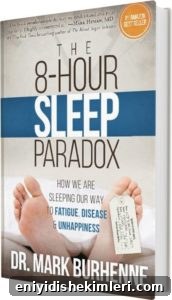 This book explains a practical program to improve sleep quality so you can feel more alert, focused, and healthy.
The program focuses on three steps that help you:
- Control appetite to support a healthy weight
- Slow aspects of the aging process
- Wake up refreshed and in a better mood
- Improve energy, concentration, and mental clarity
- End daytime sleepiness and reduce brain fog
Get your copy now!