Conventional orthodontics often focuses on straightening teeth while overlooking the root cause: a compromised airway. I say that as a dentist whose three adult daughters all went through traditional orthodontic care.
This newsletter explains why crooked teeth are usually a symptom—not the problem—and how an untreated airway can affect your child’s sleep, behavior, and long-term health. You’ll learn early signs many clinicians miss, what’s truly at stake, and practical steps you can take now to improve your child’s development and lifelong well-being.
Every night my grandson has a magnesium drink before bed.
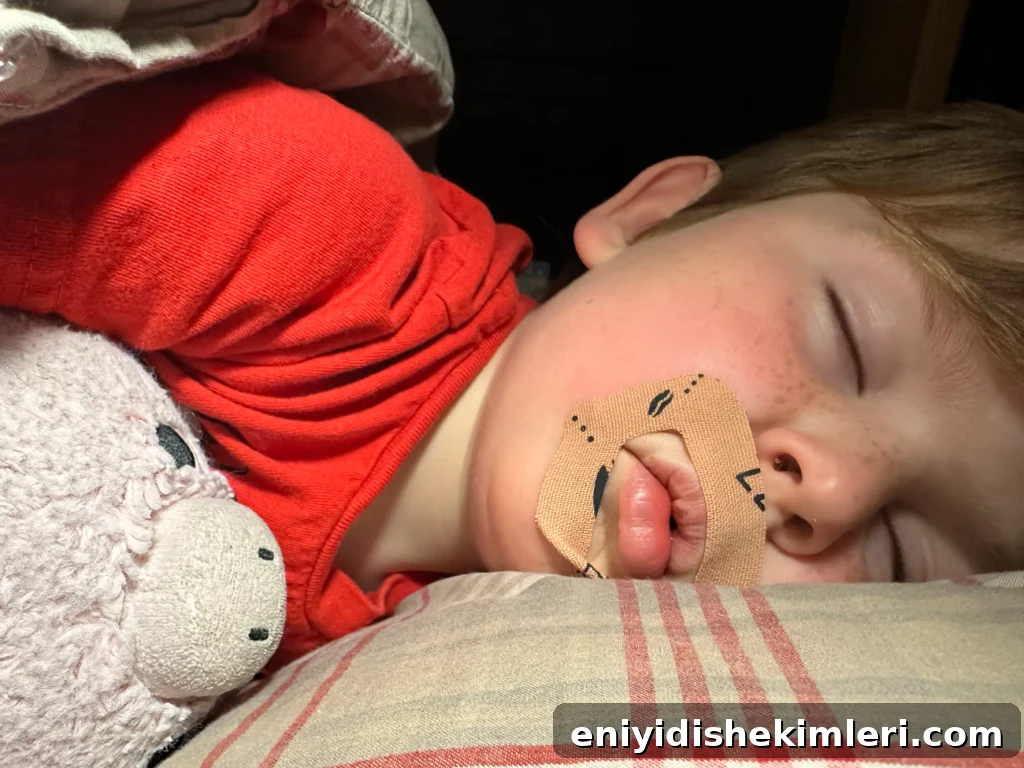
It’s part of his airway care routine—alongside brushing, flossing, nasal hygiene, myofunctional exercises, and gentle mouth support.
Why magnesium?
Because magnesium supports:
- Muscle tone, including the muscles that support the airway
- Deeper, more stable sleep
- Nervous system regulation
- Reduced teeth grinding
Many children and adults are low in magnesium. I take it nightly and recommend evaluating it as part of a comprehensive airway plan.

When I say conventional orthodontics can be misleading, I mean we often treat teeth without addressing the underlying airway issues that shaped them.
My 28-year-old daughter appears healthy—active, fit, and successful in her career. Yet she’s undergoing MARPE (Miniscrew-Assisted Rapid Palatal Expansion) now to widen her upper jaw, improve nasal airflow, and create proper tongue posture.
Her history includes:
- Snoring
- TMJ pain
- Teeth grinding
- Years of restless sleep
- Mysterious fatigue
She had braces and later Invisalign as a teen, but no one assessed her breathing. Not her pediatrician, not her orthodontist, and not me—because decades ago airway assessment wasn’t part of routine training.
If we had recognized the airway issues earlier, she likely wouldn’t need MARPE in her twenties.
The Window We Missed…
The timing matters:
- About 90% of facial growth is complete by roughly age nine.
- By age three, sleep-disordered breathing can already affect the developing brain.
- By age seven, the optimal window for interceptive orthodontics is narrowing.
Despite this, many still wait—telling parents a child will “grow out of it,” or delaying treatment until adult teeth erupt at age 10–12. Phase one orthodontics is often offered around age 8 or 9, when much of facial growth has already occurred. Mouth breathing and snoring are frequently dismissed unless they appear severe, and that misses the critical window for prevention.
Ages 1 to 6 are the crucial years for prevention while the airway, jaw, and facial structures are developing rapidly. This is the time for myofunctional therapy, nasal hygiene to support nasal breathing, ENT evaluation, assessment and release of tongue or lip ties when indicated, and early palatal expansion with appropriate appliances.
Many pediatricians and orthodontists are not trained to view these issues through an airway-centered lens. When detected and treated early, however, you can change how a child sleeps, grows, and thrives.
A Different Outcome—My Grandson
There is hopeful news. My three-year-old grandson showed early signs of airway problems: mouth breathing, tongue and lip ties, enlarged adenoids, and early speech delay.
This time we intervened early:
- An ENT released his tongue and lip ties
- An adenoidectomy improved nasal airflow
- He’s enrolled in myofunctional therapy to retrain tongue posture and breathing
- He has a nightly magnesium drink to support sleep and muscle tone (discuss dosing with your pediatrician)
- He will receive palatal expansion prior to first grade if needed
He’s now sleeping, breathing, and eating better. He still mouth breathes occasionally, but much less than before.
Magnesium plays an important role in jaw growth, muscle tone, and bone development. When guiding facial growth through therapy or expansion, ensuring adequate nutritional support—including magnesium—can be helpful.
There’s no single fix. Successful outcomes come from combining procedures and therapies: releasing ties, restoring nasal breathing, myofunctional therapy, nutritional support, improving oral posture, and enhancing sleep quality. Together, these steps change a child’s developmental trajectory.
I wish primary care offices addressed all of this as a standard. Until that systemic change happens, parents often must connect the dots and advocate for their children.
What’s Really at Stake
This issue goes beyond snoring or cosmetic alignment.
Airway health affects brain development, metabolism, behavior, and emotional regulation.
Children with sleep-disordered breathing are frequently misdiagnosed with ADHD because sleep deprivation and disrupted breathing can produce similar symptoms: inattention, hyperactivity, and poor impulse control.
Long-term studies have linked sleep-disordered breathing in early childhood to increased behavioral and cognitive challenges later on.
Many parents and teachers see the behavior but miss the root cause: insufficient restorative sleep and reduced oxygenation during sleep.
How the Airway Shapes the Face (and the Brain)
Airway-centered care emphasizes how form and function interact:
- Nasal breathing stimulates nitric oxide production, enhancing oxygen delivery and supporting immune function.
- The tongue acts as a natural palate expander—but only if it can rest on the roof of the mouth.
- If the upper jaw is narrow, the nasal floor is narrow, limiting airflow and increasing sleep strain.
Palatal expansion is not merely cosmetic; it can be transformative because facial form shapes airway function—and most of that shaping happens before age 10.
Signs Parents Shouldn’t Ignore
Common—but not normal—signs of airway dysfunction include:
- Mouth breathing
- Snoring or noisy breathing (wheezing, whistling, gurgling)
- Forward head posture
- Crowded baby teeth
- Bedwetting
- Picky eating
- Dark circles under the eyes
- Speech delay
- ADHD-like behavior
- Frequent carbohydrate cravings for short-term energy
These signs rarely self-correct. Left untreated, they can progress into chronic fatigue, anxiety, metabolic disturbances, and adult sleep apnea.
What You Can Do Today
You don’t need a formal diagnosis to begin acting. Try reframing how you look at breathing and sleep:
✅ Observe your child’s sleep. Check on them during the night and early morning. Is their mouth open? Do you hear snoring, wheezing, or other noises? Note head and body position and whether sleep appears restful. A quiet, closed-mouth sleeper is the goal.
✅ Find an airway-informed provider. Seek a dentist, myofunctional therapist, or ENT who evaluates airway function—not just cavities or tooth alignment.
✅ Ask targeted questions. What is the palatal width? Where does the tongue rest at rest? Can the child nasal breathe with lips closed?
✅ Act early. Ages 3–8 are ideal for many interventions. Expansion, therapy, and coordinated surgical care are often most effective before age seven, with expansion preferably completed by age nine while the upper jaw remains malleable.
✅ Trust your instincts. If something feels off, advocate for your child and seek a second opinion if needed.
The Bigger Picture
Addressing airway health restores sleep, attention, behavior, facial development, and emotional regulation. Airway care is whole-body care.
Once you begin to see how breathing shapes development, the connection becomes clear. Let’s stop normalizing poor sleep and narrow jaws, and let’s stop waiting to see if children will “grow out of it.”
We should aim for coordinated care where dentists, ENTs, pediatricians, therapists, and parents work together from the start—because children deserve more than just straight teeth.
–Mark

P.S. If you’ve noticed mouth breathing or noisy sleep in your child, reply to share your experience. I read every message. The image below, shared with parental permission, shows my grandson sleeping with his mouth support device.