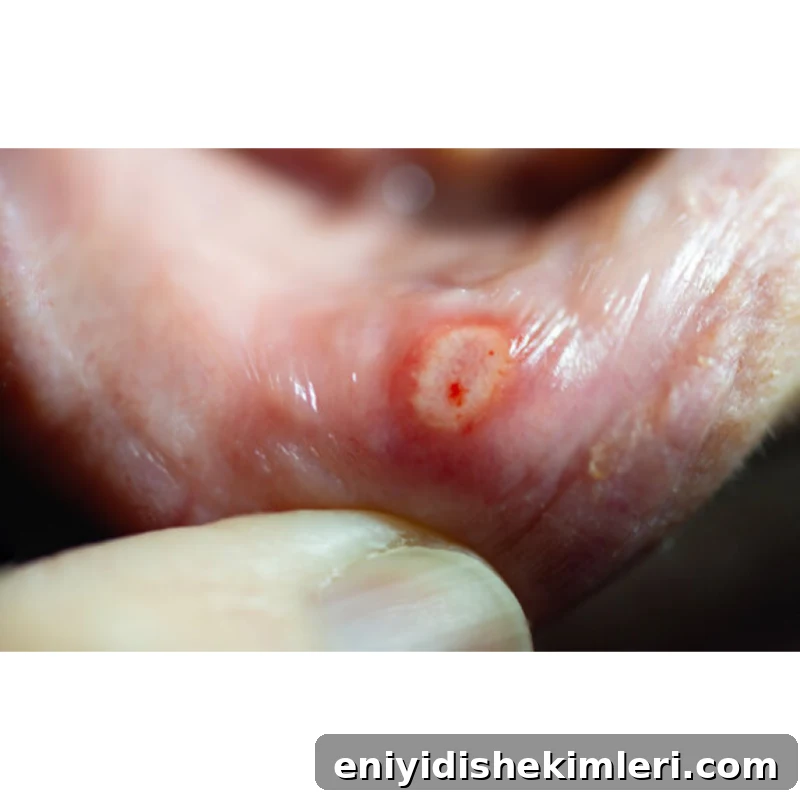
Most dentists will tell you to use a numbing gel, avoid spicy foods, and wait for canker sores to pass.
Here’s what they don’t usually mention:
A 1977 study found that zinc supplementation cut canker sore recurrence by 50% to 100% in patients with low zinc levels.
Yet decades later, many people with recurrent canker sores have never heard of that research, never had their zinc checked, and remain unaware that a simple mineral deficiency might be the underlying cause of years of pain.
If you’ve experienced canker sores, you know how disruptive they are—interrupting meals, making speech uncomfortable, and lingering for one to two weeks.
Most people numb the pain or simply wait—rarely asking why the sores keep returning.
Unlike cold sores (which are viral and contagious), canker sores are immune-mediated. They are a sign that your immune system is signaling something is out of balance.
In my experience, canker sores often appear when someone is run down. If they recur, a root cause needs to be identified and addressed.
Below are the most common contributors and practical steps for prevention and treatment.
1. Zinc Deficiency: The Missing Piece
Why does zinc help? Zinc is vital for immune function, wound healing, and cell growth. It supports collagen formation and has anti-inflammatory effects. When zinc is low, the mouth doesn’t heal efficiently.
If you get three or more canker sores per year, consider zinc deficiency as a possible factor.
Not all zinc supplements absorb well—zinc oxide has poor absorption. Forms like zinc picolinate are better absorbed.
2. A Weakened Oral Microbiome and Biofilm
Frequent, slow-healing canker sores can indicate a depleted oral biofilm. The biofilm forms a protective barrier; when it’s compromised, the mouth’s defenses are weakened.
Signs of a depleted oral biofilm:
- Canker sores that heal slowly
- Gums that bleed with gentle brushing
- Dry mouth upon waking
- Persistent bad breath
Magnesium helps stabilize beneficial bacteria and strengthens the biofilm matrix. Low magnesium can destabilize that structure, leading to more inflammation, bleeding gums, and more canker sores. Many adults do not reach the 500–600 mg daily magnesium level that supports optimal function.
3. SLS in Toothpaste Can Strip Protective Layers
Sodium lauryl sulfate (SLS) is a common foaming agent in toothpaste that creates a clean, bubbly feeling, but it also strips the protective mucous layer inside the mouth. That leaves tissues vulnerable to irritation and canker sores.
Multiple studies link SLS to higher canker sore frequency. For anyone prone to canker sores, switching to an SLS-free toothpaste is an important, non-negotiable step.
Manufacturers may list SLS under various names, so check labels carefully.
4. Mechanical Trauma: The Tortilla Chip Factor
One of the most common causes of canker sores is mechanical trauma: sharp tortilla chips, crackers, hard pretzels, rough edges on aligners or night guards, or a sharp tooth edge from grinding.
If a sore recurs in the same spot, see your dentist to identify and smooth any offending edge. Often a simple adjustment stops the recurrence.
5. Stress, Poor Sleep, and Accidental Biting
Stress can lead to bruxism (teeth grinding), creating jaw tension and increasing the chance of accidentally biting the cheek or tongue. Poor sleep contributes to muscle spasms and involuntary jaw movements, making accidental bites more likely.
When stressed and sleep-deprived, the immune system’s ability to heal is reduced, creating a perfect storm for canker sores.
Other factors that can increase canker sore risk:
- Alcohol consumption (moderation can help identify thresholds)
- Hormonal changes (menstrual cycle, menopause)
- Poor sleep quality—aim for restorative sleep and consider screening for sleep apnea if you suspect it
What to Do Right Now
Step 1: Start a Zinc Protocol
For active sores: Zinc lozenges dissolved against the sore 3–4 times daily can provide local anti-inflammatory effects and speed healing.
For prevention: Daily zinc supplementation of 15–25 mg is generally safe for most adults. Take with food to reduce stomach upset.
Important: Consult your physician before starting supplements. The upper limit for zinc is 40 mg per day without medical supervision. Long-term zinc supplementation can deplete copper, so monitor copper intake if supplementing zinc long-term.
Food sources of zinc include oysters, beef, lamb, pumpkin seeds, chickpeas, lentils, and nuts like cashews and almonds.
If you experience three or more canker sores annually and want to confirm deficiency, consider testing serum zinc. The referenced study found the strongest benefit in those with low zinc levels.
Step 2: Switch to an SLS-Free, Fluoride-Free Toothpaste
Even if you don’t currently get canker sores, switching to SLS-free toothpaste benefits oral mucosa health. Fluoride may also contribute for some people, so choose products that match your needs and check labels for hidden names of SLS.
Step 3: Restore Your Oral Microbiome
- Use an oral probiotic containing Streptococcus salivarius to support a healthy oral microbial community.
- Support your biofilm with adequate magnesium intake.
- Avoid essential oil mouthwashes and alcohol-based rinses that strip the biofilm. If you prefer a rinse, oil pulling with coconut MCT oil is gentle and supportive of the oral microbiome.
Step 4: For Active Sores—Super Saturated Salt Rinse
A highly saturated salt rinse is effective and free. Use Himalayan or Dead Sea salt in warm water and add salt until it no longer dissolves. Rinse for five minutes, four times a day. It may sting initially but can accelerate healing by increasing blood flow and contracting tissues at the ulcer site.
Step 5: Address Mechanical Trauma
- Have your dentist smooth sharp tooth edges.
- Inspect night guards, retainers, and aligners for rough spots.
- Use a soft-bristled toothbrush.
- Eat slowly and avoid sharp foods while a sore is active.
Step 6: Manage Stress and Improve Sleep
- Aim for sufficient restorative sleep.
- Practice stress-reduction techniques such as meditation, breathing exercises, and regular physical activity.
- If you grind your teeth, consider a custom night guard.
If you breathe through your mouth: Mouth breathing dries the oral mucosa and increases ulcer risk. Consider mouth taping at night and working with a myofunctional therapist to restore nasal breathing.
Step 7: Keep a Canker Sore Diary
Track when sores appear, what you ate, stress levels, sleep quality, and for women, where you are in the hormonal cycle. Patterns often reveal triggers you can address.
What NOT to Do
Avoid these common mistakes:
- Hydrogen peroxide – it irritates the sore and isn’t helpful for healing.
- Alcohol-based mouthwashes and antiseptic rinses – they strip the biofilm and worsen the issue.
- Essential oils – even natural ones can burn and irritate sores.
- Canker sore covers – they often prolong healing and increase discomfort.
- Only treating symptoms without investigating root causes.
Quick clarification: Canker sores are not cold sores. Cold sores are viral, contagious, and typically appear on the lip; canker sores occur inside the mouth and are not contagious.
I hope these practical steps help. What topic would you like covered next?
Mark

P.S. Know someone who struggles with canker sores? Please forward this to them and encourage them to sign up for future emails.