
Dentists often tell you what to avoid — sugar, soda, ice, and sticky candy — but rarely explain what to eat to support dental health. Below are six foods that can help strengthen teeth, support the oral microbiome, and promote healthier gums and enamel.
1. Dark chocolate (85% or higher)
High-percentage dark chocolate contains theobromine and magnesium, both of which benefit teeth. Theobromine, an alkaloid found in cacao, has been shown in laboratory studies to support enamel remineralization similarly to fluoride by interacting with hydroxyapatite to form a more acid-resistant crystal. Cacao is also a dense source of magnesium, which plays a role in forming enamel and bone. Choose chocolate with 85% cacao or higher to minimize added sugars; lower-percentage dark chocolate contains more sugar and feeds the bacteria that cause cavities.
2. Real bread
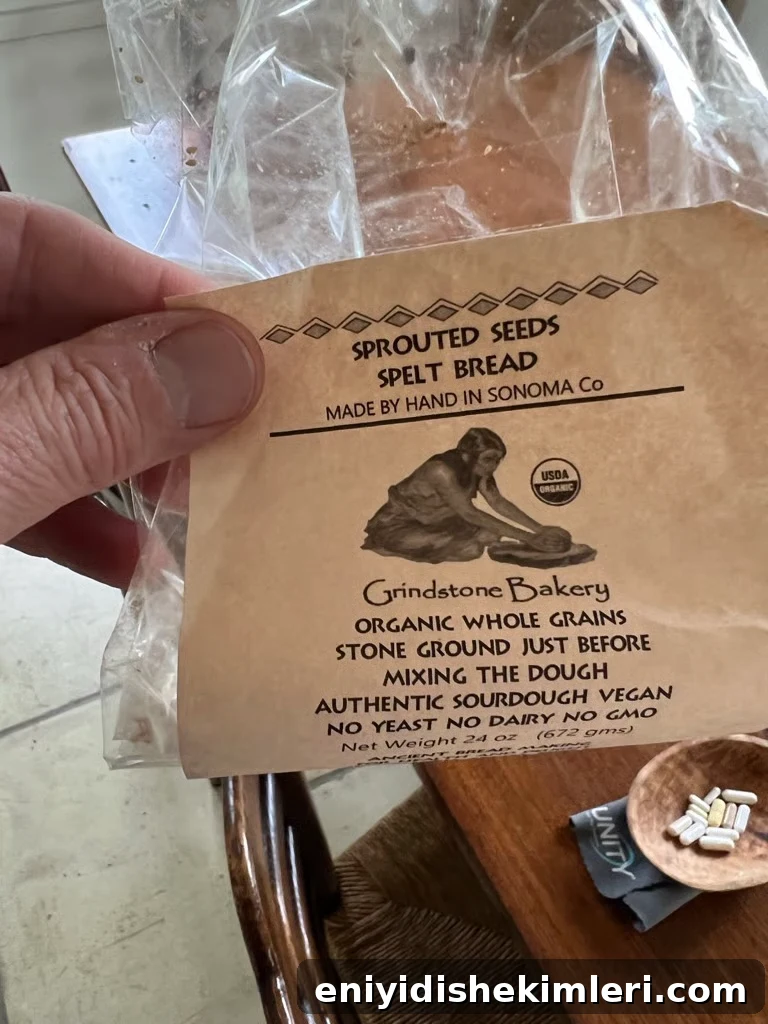
Not all bread is created equal. Long-fermented breads such as traditional sourdough, made with wild yeast and lactobacilli and fermented 12 to 24 hours, offer benefits over fast, yeast-leavened commercial loaves. Fermentation partially breaks down starches and lowers the glycemic response, so less fermentable carbohydrate is available to fuel cavity-causing bacteria. The lactobacilli acidify the dough, activating the grain’s own phytase enzyme and reducing phytic acid, which otherwise binds minerals like calcium, magnesium, iron, and zinc and prevents their absorption. Look for slow-fermented loaves made from sprouted or stone-ground ancient grains with a short ingredient list — flour, water, salt, starter — or choose sprouted breads when sourdough isn’t available.
3. Raw cheese
Cheese provides calcium and phosphate, the primary minerals in enamel, and casein, a milk protein that helps deliver these minerals to weakened spots on teeth. Eating cheese also raises oral pH and keeps it elevated for roughly thirty minutes, helping neutralize the acidic environment that causes cavities. Raw, aged cheeses retain live bacteria and enzymes from traditional cheesemaking and are a good source of vitamin K2, which helps direct calcium into teeth and bones rather than arteries. When possible, choose traditionally made cheeses for both mineral content and beneficial microbes.
4. Citrus
Citrus fruits are acidic and can temporarily soften enamel, so avoid brushing for about thirty minutes after eating them to allow saliva to re-harden the surface. Still, citrus is an excellent source of vitamin C, which is essential for building and maintaining gum collagen. Mild vitamin C deficiency is more common than many realize and can appear as inflamed or easily bleeding gums that don’t fully heal between cleanings. Enjoy citrus for its vitamin C benefits, then wait before brushing.
5. Pickles and fermented dairy
Fermented foods such as yogurt, kefir, sauerkraut, kimchi, and lacto-fermented pickles are acidic by nature, so rinse with water and wait thirty minutes before brushing. Their real advantage is the live beneficial bacteria they introduce into the mouth. Lactobacillus and Bifidobacterium strains compete with Streptococcus mutans — the main bacteria responsible for cavities — and can reduce S. mutans counts when consumed regularly. Because the effect is temporary, include fermented foods consistently in your diet to keep beneficial oral microbes present.
6. Nuts
Nuts are densely packed with minerals essential for tooth and bone health. Almonds, Brazil nuts, and cashews are rich sources of phosphorus (a primary enamel mineral) and magnesium, and some nuts supply zinc, which supports gum healing. The healthy fats in nuts help absorption of fat-soluble vitamins A, D3, and K2, which teeth need. Chewing firm foods also helps maintain the jawbone through mechanical loading: reduced chewing force is linked to lower mandibular bone density, while consistent chewing stimulates bone remodeling and strength. To reduce risk, avoid cracking shells with your teeth and chew nuts on both sides of your mouth.
General tip: eat nourishing foods, include fermented and mineral-rich options regularly, and wait 30 to 45 minutes after eating before brushing to protect and allow enamel to reharden.
– Dr. B

Further reading on AskTheDentist.com: For more detail, look for the longer list of tooth-supporting foods, a deep dive on phytic acid and dental health, resources on vitamin K2 foods, and guidance for improving gum health with diet.
Citations:
Representative research includes a 2024 systematic review on theobromine and enamel remineralization, studies on sourdough’s glycemic response and phytic acid reduction, clinical evidence on probiotics reducing S. mutans, and research linking masticatory force to jawbone remodeling.