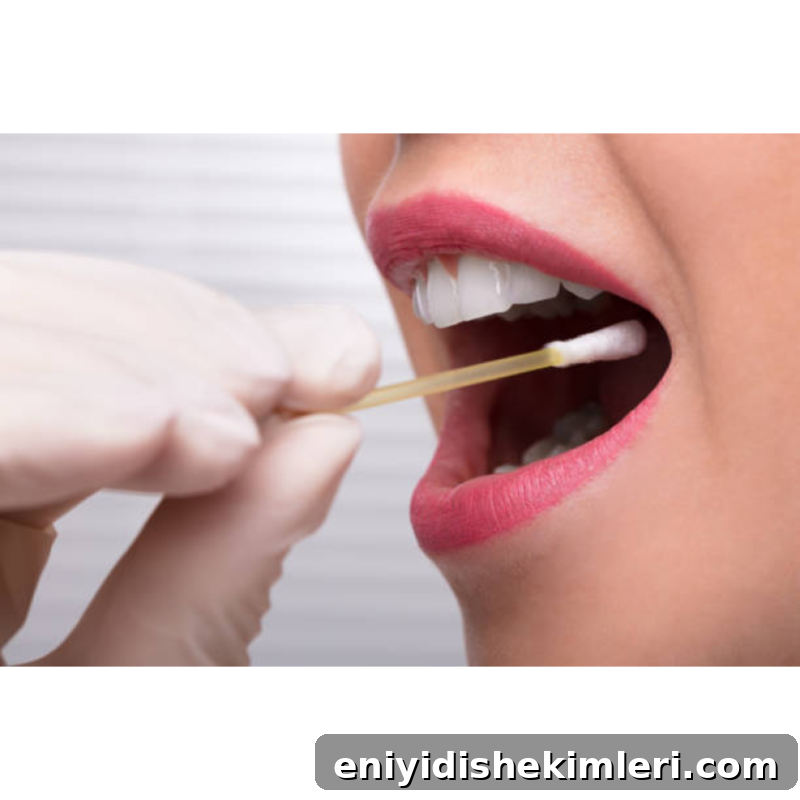
If you live with dry mouth, you’ll recognize these struggles immediately. Dry mouth can result from many causes—common medications, aging, or autoimmune conditions such as Sjögren’s syndrome, where reduced saliva is a primary symptom.
- Cavities that keep appearing despite careful brushing and flossing.
- Food tastes bland or metallic, and familiar drinks like coffee may taste off.
- Your tongue feels sticky against your teeth when you speak, or it feels like cotton in your mouth, making conversation uncomfortable after a short time.
- Waking several times at night to sip water or feeling the tongue stuck to the roof of the mouth.
- Burning sensations, cracked lips, or recurrent fungal infections that don’t fully resolve.
- Dentists recommending more fluoride without addressing the underlying cause.
Here’s what’s happening and what you can do about it.
What’s Really Going On
Dry mouth is a symptom, not a disease. One well-known cause is Sjögren’s, an autoimmune condition where the immune system attacks salivary glands. But many other factors can reduce saliva production: dozens of prescription and over-the-counter medications (antidepressants, antihistamines, some blood pressure drugs), aging, dehydration, and cancer treatments.
Without adequate saliva, the mouth becomes vulnerable:
- Cavities and gum disease increase sharply because saliva normally washes away bacteria, maintains pH balance, and supplies minerals that strengthen enamel.
- Taste changes make eating less enjoyable.
- Infections such as oral thrush (Candida) become more frequent and persistent.
- Bad breath often worsens regardless of how diligently you brush.
Telling someone to “just sip water and use fluoride” is often insufficient. These measures help a little, but managing dry mouth typically requires a broader strategy.
What Actually Helps
1. Zinc
Zinc supports a saliva enzyme (gustin/CA VI) that’s important for taste and gland function. Low zinc levels can worsen taste changes and reduce salivary activity.
Research supports zinc for taste improvement: randomized trials and a meta-analysis show people taking zinc are more likely to regain taste function, particularly when deficiency is present or the cause is unclear.
How to use it safely: a short trial of zinc (12–30 mg elemental zinc daily) for 8–12 weeks may help. Do not exceed 40 mg/day chronically without medical supervision, since excess zinc can cause copper deficiency. If longer use is necessary, discuss copper co-supplementation with your clinician.
2. Magnesium
Magnesium plays a role in ion transport within salivary glands and in enamel repair. People with autoimmune conditions and those on chronic medications are at higher risk of deficiency. Using a broad-spectrum magnesium supplement that includes multiple forms can support gland function, enamel repair, and neuromuscular balance that affects oral comfort.
3. Xylitol Gum or Lozenges
Chewing stimulates saliva production. Choosing xylitol-containing gum or lozenges reduces cavity risk while encouraging salivary flow and beneficial shifts in oral bacteria. Aim for several small doses throughout the day totaling about 5–10 grams of xylitol.
4. Sialogogues (Prescription Options)
For severe dry mouth, prescription medications such as pilocarpine or cevimeline can increase saliva and tear production in some people with Sjögren’s. These drugs can be life-changing for the right candidates; discuss them with your physician or rheumatologist.
5. A Medication Review
Many common drugs are xerogenic (dry-mouth causing). Reviewing your medication list with your doctor or dentist may reveal alternatives or dose adjustments that reduce dryness without compromising treatment.
6. Custom Remineralization Trays and Nightly Gel
For people at very high risk of cavities, nightly remineralization using custom trays and a remineralizing gel can significantly reduce decay. Options include prescription-strength fluoride gels or nano-hydroxyapatite preparations recommended by your dentist.
7. Airway and Mouth-Breathing Management
Mouth breathing increases dryness, alters the oral microbiome, and raises cavity risk. If nasal obstruction or sleep-disordered breathing contributes to mouth breathing, evaluation by an airway-focused dentist or ENT can help. Simple measures like nasal dilator strips at night can also improve symptoms.
8. Microbiome Management (Candida, Probiotics, and Tongue Care)
Dry mouth raises the risk of fungal infections such as oral thrush, which can be recurrent and sometimes resistant. An antifungal plan guided by your provider, regular tongue scraping, and targeted oral probiotics or prebiotics can support microbial balance.
9. Neutral-pH Moisture Kit
Maintaining moisture and buffering the mouth helps protect teeth and tissues. Simple measures include a bicarbonate rinse after meals (about 1/4 to 1/2 teaspoon baking soda in a cup of water) and using a saliva substitute gel or spray before bed to keep tissues hydrated.
10. Nano-Hydroxyapatite Toothpaste
Saliva normally supplies calcium and phosphate to remineralize enamel. When saliva is lacking, a nano-hydroxyapatite toothpaste can provide a mineral shield that helps remineralize teeth. Clinical trials support its effectiveness for people at high caries risk. Choose a toothpaste formulation appropriate for sensitive oral ecosystems and discuss options with your dentist.
11. Go BPA-Free
Emerging evidence suggests bisphenol A (BPA) exposure may weaken enamel. Using BPA-free stainless steel or glass water bottles and avoiding heating food in plastic are sensible long-term choices to reduce potential additional risks to tooth strength when saliva is low.
One of the hardest parts of chronic dry mouth, including Sjögren’s, is how invisible it often is to others. People who brush and floss carefully can still develop new cavities, wake frequently at night for water, and experience burning sensations or constant discomfort. This is a physiological problem caused by reduced saliva—not a lack of effort.
Managing chronic dry mouth usually requires adopting a different care plan focused on restoring moisture, protecting enamel, managing the oral microbiome, and addressing underlying causes. Work closely with your dentist, primary care physician, or specialist to tailor these strategies to your situation.
-Dr. B

P.S. If you know someone struggling with dry mouth—whether from medications, perimenopause, menopause, aging, or Sjögren’s—forward this article. These practical tools may help. They can sign up for future emails through their preferred newsletter source.
Citations
A double-blind randomized controlled trial on zinc gluconate for taste disorders: A double-blind study of the therapeutic efficacy of zinc gluconate on taste disorder. (98 patients; zinc vs. placebo).
Meta-analysis of zinc supplementation for taste disorders: The Effectiveness of Zinc Supplementation in Taste Disorder Treatment: A Systematic Review and Meta-Analysis of Randomized Controlled Trials. (12 RCTs, nearly 1,000 participants; RR ≈ 1.38).