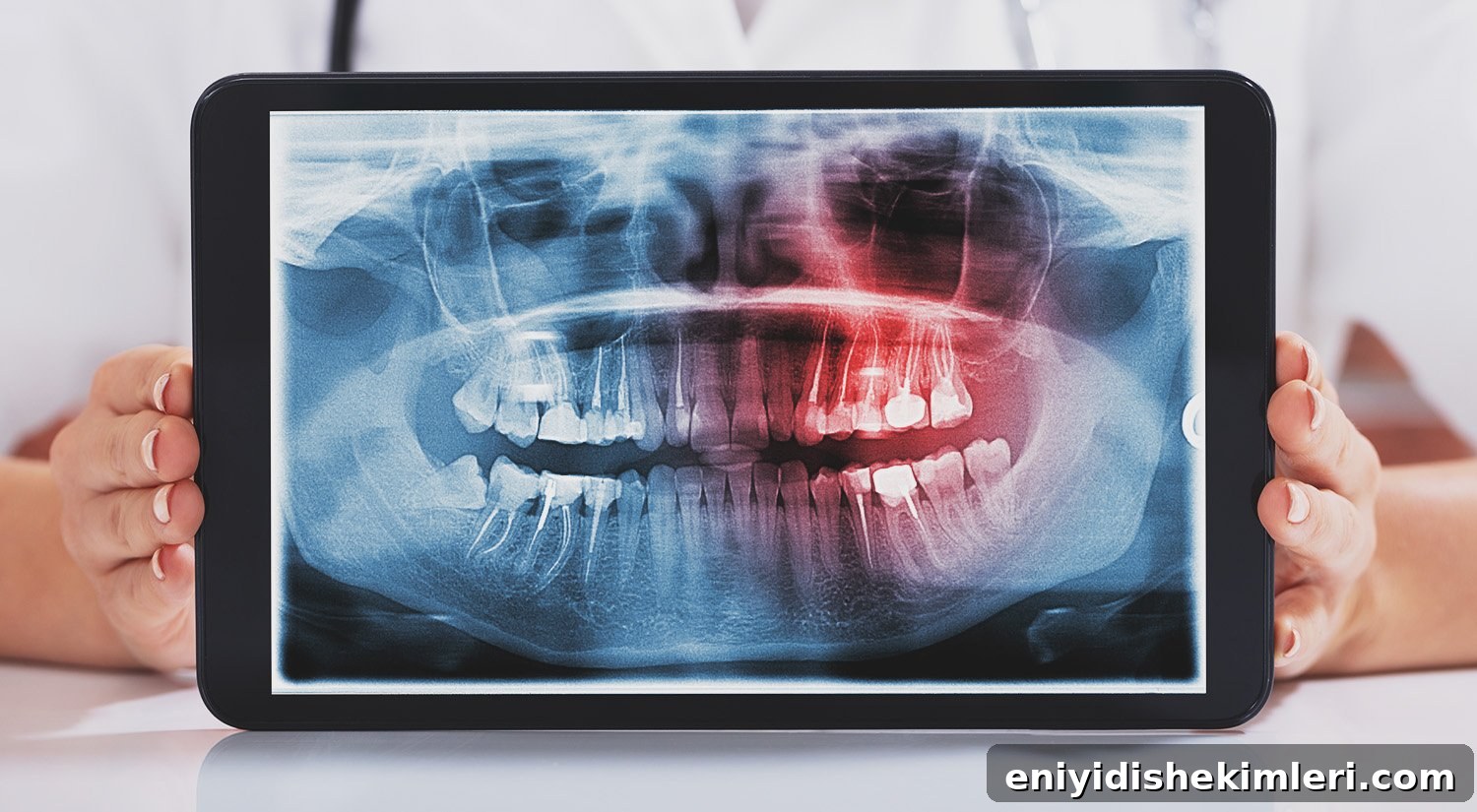
About 10 million wisdom teeth are extracted from roughly 5 million patients every year in the United States.
Wisdom teeth, also called third molars, typically erupt in the late teens but can appear as early as 12 or as late as the mid-20s. They earned their name because they usually come in at a more mature age than other adult teeth.
Not every wisdom tooth needs removal. Even when they cause temporary pain, conservative treatment and monitoring can be appropriate.
Early wisdom tooth discomfort is often managed effectively with ibuprofen and home remedies.
Extraction costs vary: simple removals typically range from $75–$200 per tooth, while surgical extraction of impacted wisdom teeth generally costs $225–$600 per tooth. Many dental insurance plans cover some or most of these costs.
What are wisdom teeth?
Wisdom teeth are the last molars at the back of the upper and lower dental arches. They usually erupt between ages 12 and 26, most commonly between 17 and 21. According to professional estimates, the majority of people have at least one impacted third molar.
Permanent teeth begin replacing baby teeth around age six. By about 13 years old most permanent teeth are in place, with wisdom teeth being the final set to appear, if they erupt at all.
Wisdom teeth are unpredictable: their timing and whether they will erupt at all vary widely between people.
Some people have no wisdom teeth, others have one or two, and some have all four. When they do erupt, wisdom teeth can cause problems such as inflammation, swelling, infection, and pain, especially when there is insufficient room in the jaw.
What do wisdom teeth look like?
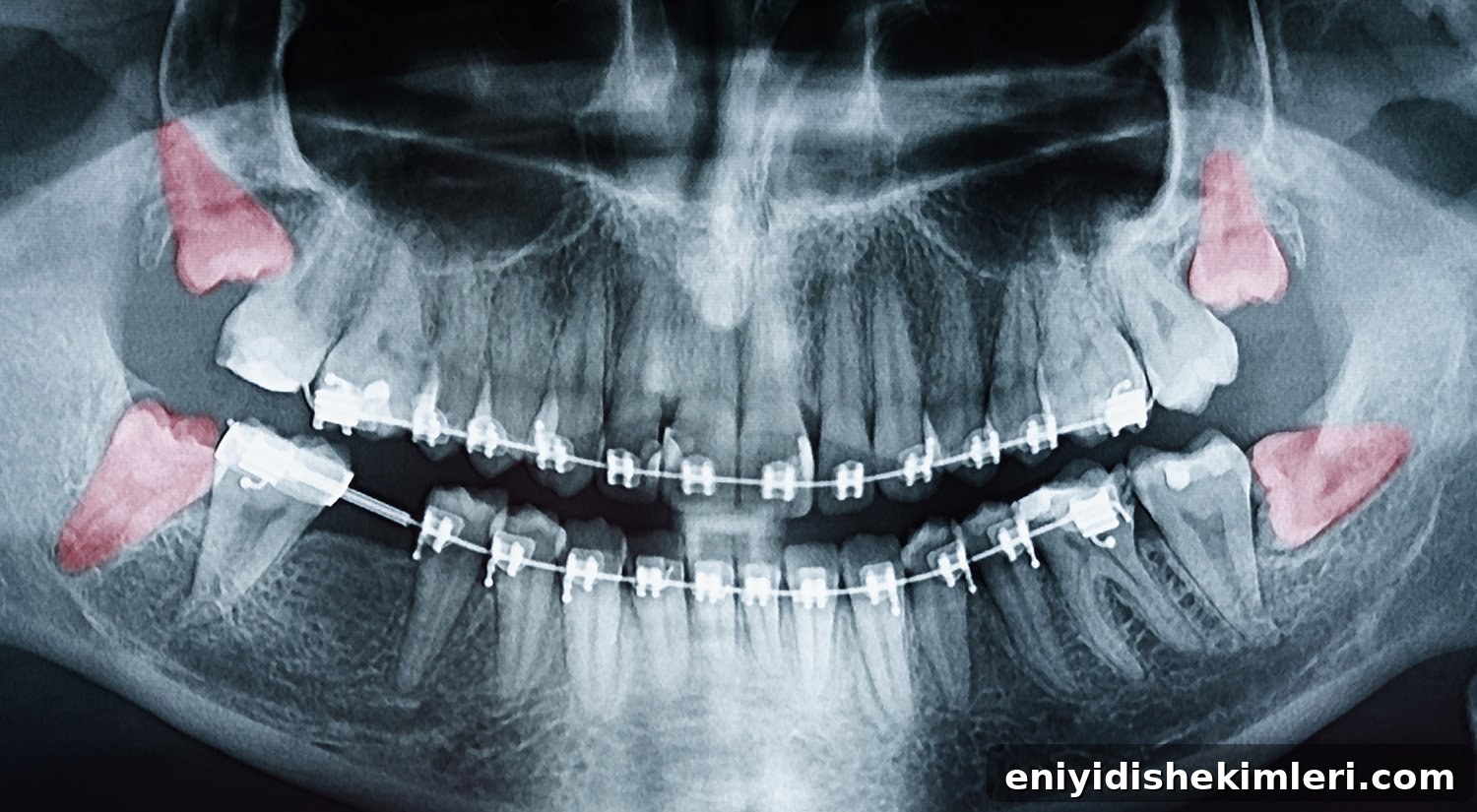
Third molars resemble second molars in shape and size. Second molars commonly erupt around age 12–13, while wisdom teeth may appear years later if space and positioning allow.
Why do we have wisdom teeth?
Wisdom teeth provide additional chewing surfaces, but for many modern humans they no longer serve a necessary function. Changes in diet, shorter breastfeeding durations, and nutritional differences — including lower vitamin K2 intake — contribute to smaller jaw development, leaving less room for third molars.
In ancestral environments, tougher, unprocessed foods required heavy chewing and larger jaws. Fossil and anthropological evidence shows earlier humans often had wider jaws capable of accommodating additional molars.
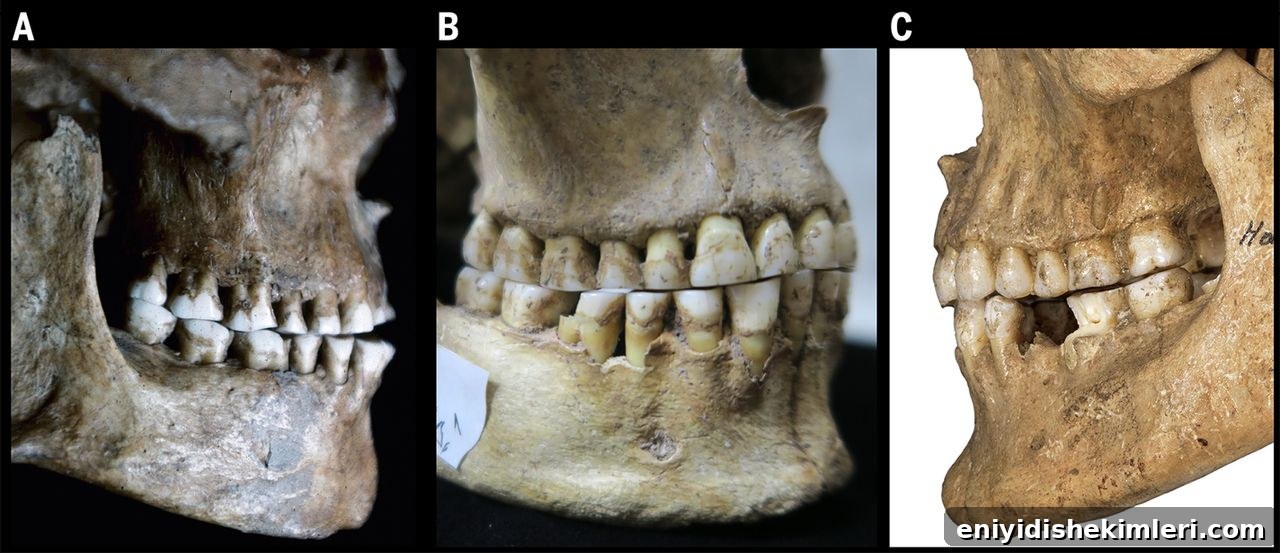
Today’s smaller jaws combined with unchanged tooth counts mean wisdom teeth frequently lack space to erupt properly. Diets of processed, softer foods reduce the mechanical stimulation that supports jaw growth, and lower intake of certain nutrients may also have an effect.
Symptoms of erupting wisdom teeth
A toothache is a common early sign of wisdom teeth eruption. However, not all posterior jaw pain comes from wisdom teeth — conditions such as TMJ disorders can produce similar symptoms.
Typical symptoms of erupting wisdom teeth include:
- Pressure or throbbing in the gums at the back of the mouth
- Swollen, red, or tender gums
- Visible cuts or openings in the gum tissue
- Referred earache or headache
- Sinus symptoms that begin with tooth pain
- Temporary relief from vigorous brushing or rinsing
- Swelling around the jaw
- Jaw stiffness
If a wisdom tooth becomes infected or damaged you may also notice bad breath, an unpleasant taste, or difficulty fully opening your mouth.
Some signs more likely indicate cavities or other dental issues rather than erupting wisdom teeth, such as sensitivity to hot and cold, sharp pain when biting, a visible hole in the tooth, or persistent localized tooth sensitivity.
Why wisdom teeth cause pain
Pain related to wisdom teeth commonly stems from:
- Pericoronitis: Partial eruption can leave a flap of gum that traps bacteria, causing infection, swelling, stiffness, and pain. This is the most common source of wisdom tooth pain and can often be managed conservatively if extraction isn’t indicated.
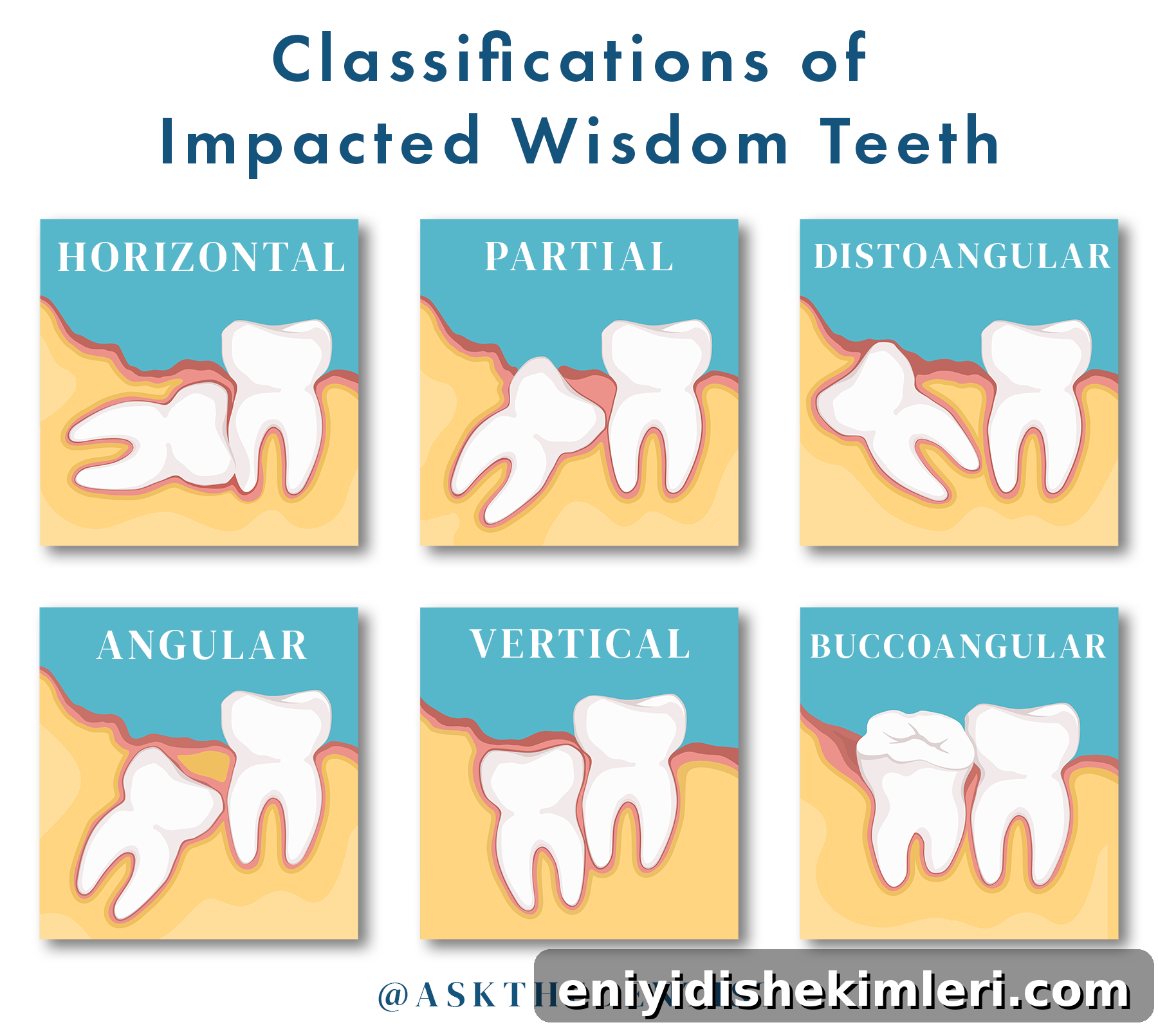
- Impaction: When there’s not enough room for proper eruption, a tooth can push at odd angles and press on adjacent teeth, causing soreness and jaw pain.
- Cavities: Decay can develop in the third molar or the neighboring second molar, leading to pain and infection if untreated.
- Cysts or tumors: Less commonly, cysts or tumors can form around an impacted tooth and damage bone or adjacent teeth if left untreated.
Wisdom teeth pain relief
Common and effective relief measures include:
- Saltwater rinse: Rinse several times daily with warm, salted water to reduce gum inflammation.
- Pain relievers: Over-the-counter anti-inflammatories like ibuprofen are effective for most toothache pain. Dentists may prescribe short courses of stronger medication when needed.
- Topical anesthetics: Benzocaine-containing gels can provide temporary relief of gum pain.
- Clove oil: Diluted clove oil applied to the gum can ease discomfort for some people.
- Cold compress: Ice applied to the cheek reduces swelling and jaw soreness.
- Acupressure or acupuncture: These therapies can help reduce dental pain in some cases.
- Antibiotics: Prescribed when there is clear infection; antibiotics may temporarily reduce infection-related pain but are not a cure for mechanical problems.
Duration: When wisdom teeth erupt without being impacted, the acute pain usually lasts around 3–4 days, while mild soreness can persist for several weeks. Impacted teeth that remain in place may cause intermittent or chronic pain until they are removed.
Should you have your wisdom teeth removed?
Deciding on extraction depends on risk versus benefit. Removal is generally recommended when:
- Wisdom teeth are impacted and painful
- Either the second or third molars are infected or diseased
- Teeth are likely to cause orthodontic issues or crowding
- There is a high risk of future decay
- There is a risk of periodontal disease or related systemic concerns
- Recurring infections occur around the back teeth
- A tumor or cyst is present near the tooth
- A tooth involves the inferior alveolar nerve
You may not need extraction if the jaw has adequate space, the teeth are healthy and not impacted, and you are in good general health. Pain alone is not always justification for removal; your dentist can evaluate whether the issue is likely to resolve or persist.
If you are undergoing orthodontic treatment, coordinate timing with your orthodontist, as surgery is often best postponed until treatment is complete.
Anesthesia options for wisdom tooth surgery
Sedation ranges from local anesthetic to deep general anesthesia. Options include:
- Local anesthesia (minimal): Numbs the surgical area without sedating you.
- Nitrous oxide (minimal): A mild inhaled sedative for relaxation in non-impacted extractions.
- Oral sedatives (moderate): Medications like diazepam taken before the procedure to induce drowsiness.
- IV conscious sedation (moderate): Intravenous drugs that produce deeper relaxation while keeping you responsive.
- General anesthesia (deep): Renders you fully unconscious and is reserved for complex cases; additional provider certification is required.
If you receive moderate or deep sedation, arrange for someone to drive you home after the procedure.
Wisdom tooth removal surgery: what to expect
Before surgery
Your dentist or oral surgeon will complete an exam and x-rays and review your medical history, medications, anesthesia options, and recovery plans. You’ll also confirm the surgery date and transportation arrangements if sedation beyond local anesthetic is planned.
During surgery
Impacted wisdom tooth removal is oral surgery and typically takes about 45 minutes. The procedure may involve incisions, bone removal, sectioning the tooth, and suturing the site. Non-impacted extractions are quicker and simpler, often completed in 20–30 minutes per tooth.
After surgery
Expect numbness for 60–90 minutes and some bleeding during the first 24 hours. Standard postoperative instructions include keeping gauze over the socket as needed, beginning prescribed medications promptly, and applying ice to reduce swelling. Avoid strenuous activity for a few days and follow all discharge instructions from your provider.
Recovery after wisdom teeth removal
Most people feel substantially better within 3–4 days, though full healing of the socket can take several months. To support recovery:
- Avoid straws and smoking to reduce the risk of dry socket
- Elevate your head while sleeping for the first 72 hours
- Ice the cheeks for the first 36 hours, then use moist heat if bruising develops
- Rinse gently with warm salt water starting on day two
- Use anti-inflammatory medications such as ibuprofen as directed
- Maintain oral hygiene and begin gentle brushing and flossing on day two
- Choose soft, cool-to-lukewarm foods in the first days after surgery
Most patients only need stronger prescription pain medications for a few days. Dissolvable stitches are common; non-dissolvable sutures are typically removed about a week after surgery.
When to call your dentist
Contact your dentist or surgeon promptly if you experience excessive bleeding beyond four hours, severe or persistent pain, increasing swelling, pus or oozing from the site, fever, vomiting beyond 10 hours post-op, breathing or swallowing difficulty, chest pain, or any other concerning symptoms.
Complications after wisdom teeth removal
Complications are uncommon but can occur in a small percentage of cases. Potential issues include:
- Dry socket: Pain from premature loss of the blood clot in the socket, usually most painful on days 2–3 post-op.
- Paresthesia: Temporary or rarely permanent numbness if a nerve is affected during surgery.
- Infection: Postoperative infection can arise and may require antibiotics and further care.
- Excessive bleeding: Prolonged bleeding beyond the typical recovery period.
Risk factors for complications include older age, systemic illness such as diabetes or immunodeficiency, certain medications, poor oral hygiene, and difficult extractions.
Cost of wisdom teeth removal
Simple extractions generally cost $75–$200 per tooth, and surgical extractions typically range from $240–$600 per tooth. Anesthesia options may add to the total. Many dental insurance plans cover a large portion of the cost, but annual benefit caps can affect out-of-pocket expenses.
Prognosis and long-term outlook
Wisdom tooth extraction is a routine and generally safe procedure. Serious complications are rare. If impacted wisdom teeth are left in place, they may increase the long-term risk of localized gum disease and decay. Regular dental checkups help monitor asymptomatic teeth so problems can be addressed early.
FAQs
What explains why many people lack space for wisdom teeth? Research and historical observations suggest that changes in diet and feeding practices over generations—softer foods, reduced chewing demands, shorter breastfeeding, and nutritional differences—have contributed to smaller jaw development in industrialized populations.
If I’m not in pain, should my wisdom teeth be removed? Pain is not the sole indicator. A dentist’s exam and x-rays can determine whether extraction is advisable to prevent future problems.
Only one of my wisdom teeth hurts. Is that normal? Yes. Wisdom teeth may erupt at different times and in different ways. One tooth can be impacted while others erupt normally.
Is wisdom tooth surgery scary? It can be intimidating, but it is a common procedure. Proper preparation, anesthesia, and post-op care make recovery manageable for most patients.
Does everyone have wisdom teeth? No. Some people are born with fewer than four or none at all. Dental x-rays will confirm whether you have them.
Preventing the need for removal
There is limited ability to change the position of wisdom teeth once the jaw has matured. Early preventative strategies focus on supporting proper jaw growth during development: adequate nutrition including vitamin K2 during pregnancy and childhood, encouraging nasal breathing rather than mouth breathing, and early orthodontic assessment in young children when indicated. These measures may help create better space for permanent teeth, though they cannot guarantee avoidance of future extractions.
The controversy of wisdom tooth removal
Practices have shifted over recent decades. Prophylactic removal of asymptomatic wisdom teeth was once common, but guidelines from public health and surgical organizations now generally recommend against routine extraction without clear pathology or demonstrable need. Clinicians differ in opinion: some evidence indicates many asymptomatic impacted teeth later require extraction, while other analyses caution against widespread preventive surgery. The decision should be individualized and made in consultation with your dentist or oral surgeon, weighing risks, benefits, and your personal health context.
References
- Selected peer-reviewed studies, clinical guidelines, and professional association statements inform the recommendations summarized here. Ask your dentist for sources specific to your case if you want to review the primary literature.