The most effective whitening aid I own isn’t a product you buy in a store. It’s not the polisher in my drawer, not whitening strips, and not even toothpaste.
It’s saliva.
A well-hydrated mouth is essentially self-cleaning; a dry mouth is a magnet for stains.
When a tooth is dry it not only collects pigment, it appears duller and grayer within hours.
Hydrated enamel has a subtle glassy translucence. That wet sheen is a major part of what we perceive as “white.” Let the tooth dry and that glow disappears. You can see the difference immediately: teeth at 4 p.m. with a cotton-dry mouth often look less bright than they did at breakfast, even if you haven’t consumed any staining substances.
Many people assume whitening is mainly about removing color—bleaching or scrubbing it off. But surface stains are actually things that adhere to the teeth. They cling much more easily to dry, rough surfaces than to enamel constantly bathed in mineral-rich saliva.
Think of a coffee spill on a counter: wipe it up while it’s wet and it lifts right off; let it dry and you’re scrubbing. Teeth behave the same way.
That’s also why teeth look brighter the day after a professional cleaning.
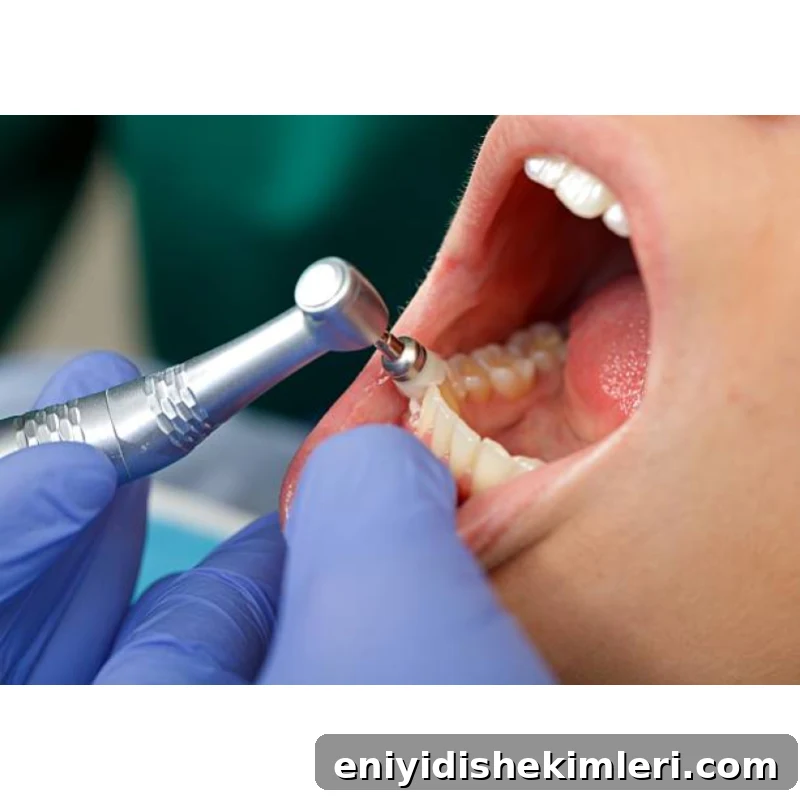
After a prophy (a routine dental cleaning) patients often see an immediate brightening. Nothing was bleached—the hygienist removed the biofilm and the stains trapped in it, leaving a smooth surface with fewer places for pigment to cling.
Of course, that effect fades. Within weeks the shine dulls as biofilm rebuilds and pigment resettles. Below are the practical steps I use to extend that “fresh-from-the-cleaning” look between visits.
Before listing my go-tos, ask yourself:
- Do coffee or wine stains come back faster than they used to?
- Does your mouth feel dry by mid-afternoon?
- Do you wake up with a dry mouth or unpleasant breath?
- Do your teeth look darker near the gumline?
If you answered yes, the issue is likely not that you need a stronger whitener. It’s that your teeth spend too much of the day dry.
Here’s an unpleasant irony: the two biggest staining drinks—coffee and black tea—are also mild diuretics. They stain you and reduce saliva production, so tannins are left to linger. Add mouth breathing (especially overnight), filtered water stripped of minerals, and many common medications, and you can have a mouth that dries out for hours without you realizing it.
A happy tooth is one bathed in saliva. Healthy saliva feels slippery, not watery and not sticky—lubricating and protective. That’s the state we want to preserve.
My essentials for keeping teeth bright between cleanings
Nano-hydroxyapatite toothpaste. Nano-hydroxyapatite (nHAp) helps fill microscopic roughness on enamel, leaving a smoother surface with fewer footholds for pigment. Smoother enamel means fewer places for stains to adhere. I developed a formula that uses the right hydroxyapatite without essential oils or harsh surfactants that can dry the mouth.
→ my toothpaste
An oil-pulling blend. Swishing a few minutes in the morning gently thins biofilm so it doesn’t sit thick and fuzzy holding pigment. I moved away from straight coconut oil because it’s too broad-spectrum, similar to aggressive mouthwashes. I now use an MCT-based blend: it penetrates and loosens the biofilm matrix while preserving beneficial structure—controlled thinning rather than total disruption.
→ oil pulling blend
Mouth tape at night. This may seem odd on a whitening list, but if you breathe through your mouth all night your teeth can dry for hours while bacteria and acids concentrate—prime conditions for stains to set. Gentle tape keeps the mouth closed and moist until morning. If the tape won’t stay on, that’s a sign to evaluate your airway rather than to stop trying.
→ mouth tape
A small rechargeable polisher with polishing paste. This is the only item here that actually removes stains rather than preventing them. I use it once or twice between cleanings to gently buff off surface stains. Gentle is crucial—this isn’t a daily tool.
→ polisher + paste
→ how-to video
Magnesium. Magnesium works from the inside by supporting salivary glands and mineral flow, which helps saliva rinse and remineralize enamel. That reduces the chance of stains setting in the first place. Choose well-absorbed forms; my preferred supplement produced noticeable changes in my sleep and in how my mouth felt each morning.
→ the capsules or this drink mix if you prefer not to take pills
Water, kept within reach. Not glamorous, but essential. Magnesium supports saliva production; water gives the glands something to work with. I keep a glass handy and rinse after anything dark or acidic. Sipping during the day keeps saliva flowing—the closest thing to a stain eraser that works passively.
One simple habit stands above the rest: after consuming anything staining or acidic (coffee, wine, citrus, sparkling water), swish with plain water or brush if it’s been awhile since eating. Don’t scrub immediately after acids—give enamel a few minutes to recover. A quick rinse goes a long way in preventing stains from sticking.
Dentistry isn’t only about cavities, and whitening isn’t only cosmetic. Keeping a mouth moist and mineral-rich protects enamel, breath, and the microbiome. Whiter teeth are largely a byproduct of a healthier mouth.
Try these practices for a couple of weeks and see what changes.

P.S. If stains return quickly despite your efforts, dryness is usually the main cause and mouth-breathing at night is the most common reason. Try taping your mouth for a week and note the difference in morning breath and color. If tape won’t stay on, consult an airway-trained dentist for further evaluation.