Mouthwash Could Be Hurting You — Try This 2‑Minute Fix Instead

featured 50230

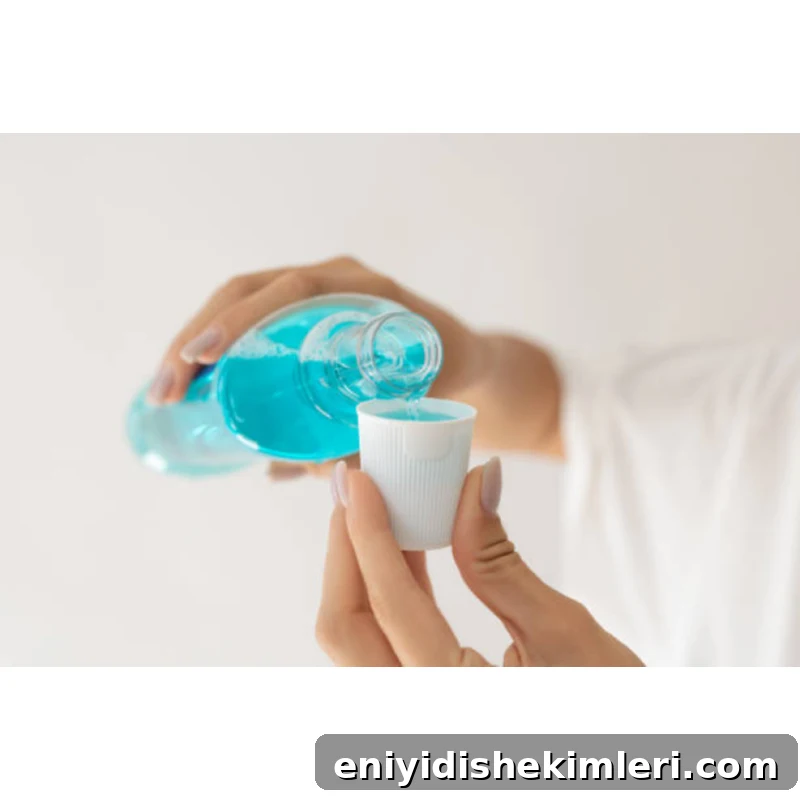
Let’s be honest: many people reach for mouthwash for the cool, tingly feeling rather than for lasting oral health. That temporary freshness can mask a bigger issue—alcohol-based mouthwashes can disrupt the oral microbiome. There is a gentler, evidence-informed alternative that supports oral health without that damage. Oil pulling offers a way to feel clean and … Read more

Low-Level Laser Therapy Matches Formocresol for Saving Primary Molars

featured 22823

Dental decay is one of the most common oral health problems affecting children worldwide. If left untreated, decay can cause premature loss of primary teeth, which may negatively impact appearance, speech development, and chewing function. Pulpotomy is a common pediatric dental procedure used when decay is limited to the crown portion of a primary tooth … Read more

Why Your Mouth Feels Dry at 2 AM — Causes and Fixes

featured 50713

If you live with dry mouth, you’ll recognize these struggles immediately. Dry mouth can result from many causes—common medications, aging, or autoimmune conditions such as Sjögren’s syndrome, where reduced saliva is a primary symptom. Cavities that keep appearing despite careful brushing and flossing. Food tastes bland or metallic, and familiar drinks like coffee may taste … Read more

Family History of Alzheimer’s? What You Need to Know Now

featured 51180

I don’t talk about this as often as I probably should. My mother had Alzheimer’s and my father had ALS with dementia. Watching parents slowly lose the core of who they are reshaped how I make everyday choices. The connection between the mouth and the brain is not abstract for me — I’ve lived it. … Read more

Do You Need a Night Guard for Teeth Grinding?

featured 4107

Teeth grinding (bruxism) is a common condition that affects roughly 8–16% of adults and 14–20% of children. When grinding occurs during sleep, dentists often recommend a night guard to protect teeth and jaw from damage, reduce pain, and limit sensitivity and decay. A dental night guard for sleep is different from a sports mouthguard. Sleep … Read more

Are Dental X-Rays Safe? What Patients Need to Know

featured 49188

My interview with Max Lugavere is now live. I think you’ll enjoy this episode of The Genius Life — it’s full of useful insights. We dive deeply into oral health topics including gum recession, flossing, fluoride, microplastics in water, and more. This is episode #330 of The Genius Life Podcast. Tune in here and feel … Read more

Cold Sores vs Canker Sores: How to Tell Them Apart and Treat Them

featured 5922

Canker sores and cold sores are often confused, but they are different conditions. One is caused by a virus and is contagious, while the other is noncontagious and usually less serious. Understanding the differences helps you choose the right care. This article explains how to tell the difference between canker sores and cold sores, whether … Read more

Hospitals Cut Pneumonia Rates by Improving Patient Oral Care

featured 16958

Since the introduction of antibiotics beginning with penicillin in 1928, medicine has made enormous progress against infectious disease. Yet a major unintended consequence of widespread antibiotic use is the rise of drug-resistant pathogens. These microbes no longer respond to many standard treatments, and the problem continues to grow. According to the Centers for Disease Control … Read more

Why Diet Beats Brushing for Stronger Teeth — What You Need to Know

featured 22743

Brush, floss, rinse, and see your dentist regularly. That advice is common and helpful, but it addresses only part of the story. Modern dentistry offers many ways to treat cavities, yet it hasn’t solved the root cause for many people: diet. Cavities remain the most common preventable chronic condition worldwide, and diet plays a central … Read more

Don’t Ignore This Key Factor When Treating Gum Disease

featured 49026

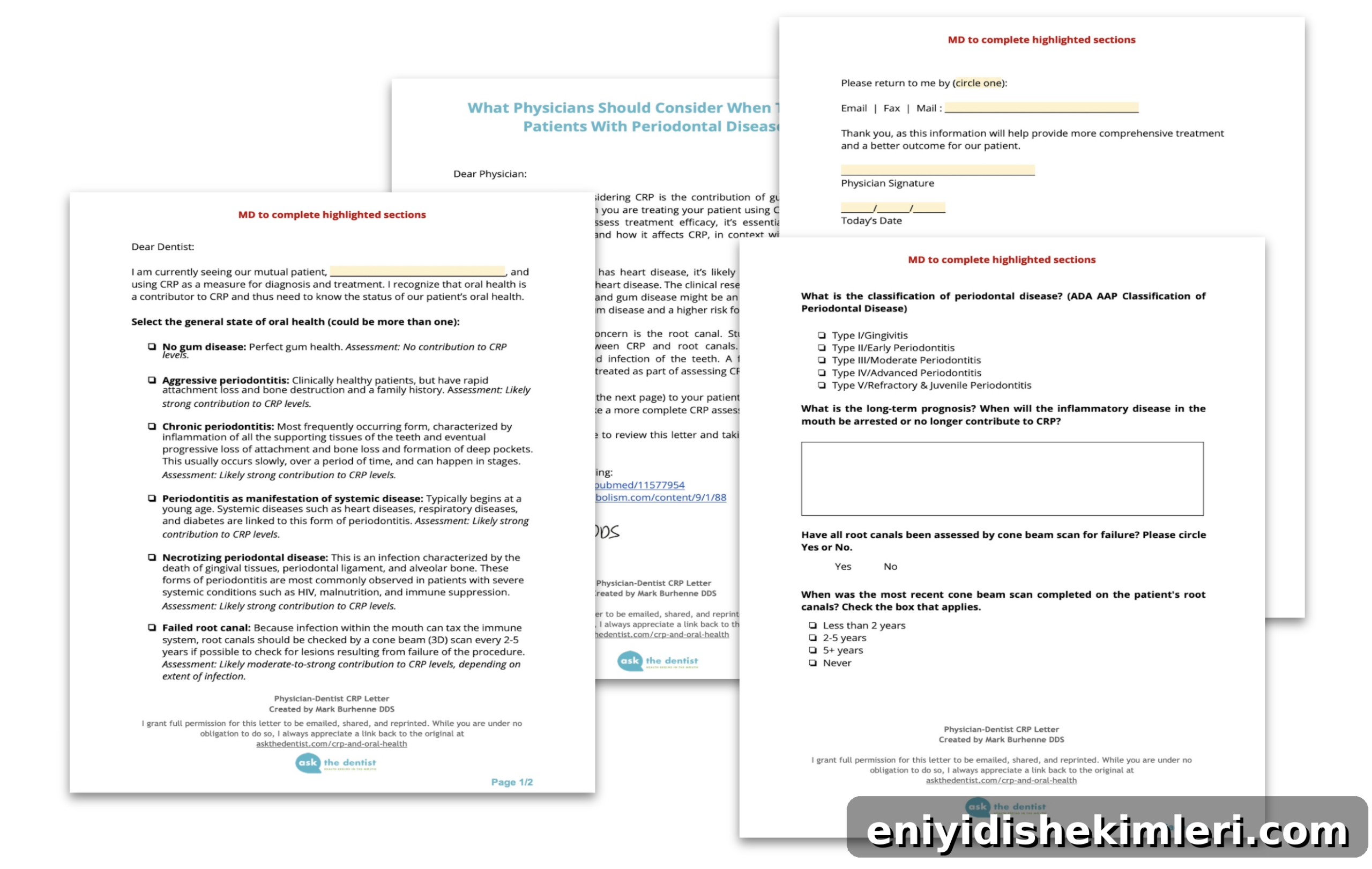
For about six years I used continuous glucose monitoring (CGM) to guide periodontal care in private practice. I delayed aggressive treatments—such as surgery or deep scaling—until a patient’s diabetes and glucose control were improved. This approach wasn’t merely a personal preference; it was the responsible clinical choice. Dentists should avoid treating periodontal disease aggressively in … Read more